
Unclaimed money from financial handling errors refers to funds that individuals are owed but have never received—often due to mistakes, miscommunications, or administrative oversights by financial institutions, employers, or government agencies. This money sits dormant in state treasury accounts, unclaimed property divisions, and company records, waiting for the rightful owners to claim it. According to federal data, approximately $70 billion in unclaimed property is currently held across all 50 states, and about 1 in 7 Americans have unclaimed cash or property waiting to be returned to them. Consider the case of a person who received a tax refund check in 2019 that was misdirected to an old address and never found its way to them.
Rather than being returned to the filer, it eventually escheated to the state treasury where it remains available for claim—often indefinitely. This happens millions of times each year through dormant bank accounts, forgotten refunds, uncashed checks, and similar administrative errors that keep people’s money from reaching them. The good news is that state unclaimed property programs returned $4.49 billion to rightful owners in fiscal year 2024 alone. Yet millions of people remain unaware that unclaimed funds exist in their name, or they don’t know how to access them. Understanding how these errors occur and what options you have to recover your money is the first step toward claiming what’s rightfully yours.
Table of Contents
- How Do Financial Handling Errors Create Unclaimed Money?
- What’s the Scale of the Unclaimed Money Problem?
- Class Action Settlements and Unclaimed Funds
- How to Search for and Claim Unclaimed Money
- Fraud Alerts and Common Scams
- What Happens to Unclaimed Funds That Aren’t Claimed?
- Preventing Financial Handling Errors and Future-Proofing Your Accounts
- Conclusion
How Do Financial Handling Errors Create Unclaimed Money?
Financial institutions and government agencies handle millions of transactions daily, and even with modern systems, errors happen. unclaimed money from financial handling errors typically arises in several predictable ways. Dormant bank and credit union accounts—those with no activity for 1 to 5 years, depending on state law—are automatically transferred to state custody as unclaimed property. When a bank cannot locate an account holder due to an address change, a move to another state, or simply losing track of the person, that account becomes dormant and eventually escheats to the state. Uncashed checks represent another major source of unclaimed funds. An employer might issue a paycheck, severance check, or final paycheck to an employee, but if the employee doesn’t deposit it within a reasonable timeframe (often 180 days or longer), the employer eventually must surrender that amount as unclaimed property.
The same applies to insurance companies issuing claim settlements, utility companies holding security deposits, and government agencies processing refunds. A homeowner might have an escrow overage from their mortgage servicer that was supposed to be refunded but got lost in the shuffle. A health insurance company might owe a patient a reimbursement that was flagged in their system but never actually paid because of a processing error. Address changes are particularly problematic because they interrupt the institution-to-owner communication chain. When you move and don’t update your address with your bank, insurance company, or former employer, their refund checks or important notices simply get returned as undeliverable. After multiple failed delivery attempts, these companies are required by law to turn that money over to the state, leaving you to hunt it down later. This is one of the most common reasons people discover they have unclaimed funds they didn’t even know existed.

What’s the Scale of the Unclaimed Money Problem?
The scale of unclaimed property in the United states is staggering. The $70 billion figure represents one of the largest “lost and found” accounts in the country, and it grows every year as dormant accounts, uncashed checks, and forgotten refunds continue to accumulate. For perspective, this amount exceeds the annual operating budgets of most state governments and represents real money owed to real people—money that could pay mortgages, cover medical bills, or provide financial stability for families in need. The fact that 1 in 7 Americans has unclaimed property waiting means you likely know several people who have unclaimed funds in their name, whether they realize it or not. Some people have multiple claims across different states if they’ve moved several times or worked in multiple states.
A person might have an unclaimed bank account in Ohio from 1995, a forgotten refund in Florida from 2008, and an uncashed check from a former employer in California from 2015. These funds don’t disappear—they’re held in perpetuity by the states and federal government, available for claiming at any time, with no statute of limitations. However, there’s an important limitation to understand: the longer your money sits unclaimed, the higher the likelihood that you’ve forgotten about it completely. Many people don’t discover they have unclaimed property until they proactively search for it, often by accident. Others inherit the discovery when a family member passes away and the estate executor searches for accounts. Some never discover their unclaimed funds at all, meaning money that belonged to them eventually becomes part of state general revenue—a situation that happens less frequently than it used to, but remains a genuine concern for unclaimed property administrators.
Class Action Settlements and Unclaimed Funds
Class action settlements represent a unique category of unclaimed money. Recent class action settlements have exceeded $10 billion collectively, yet research shows that more than 50% of eligible recipients never claim their funds. These unclaimed settlement funds don’t simply vanish; instead, they’re distributed through one of several mechanisms. In some cases, unclaimed settlement money reverts back to the defendant company. In others, the funds escheat to state treasuries under escheatment laws. Some settlements use cy pres awards, directing unclaimed money to nonprofits or charitable organizations, and occasionally settlements allow unclaimed funds to increase payments to those who did submit claims. A concrete example: A data breach settlement might distribute $50 million to 2 million eligible claimants. Class members have a claims window, often 120 to 180 days, to submit claims.
If 60% submit, the settlement administrator processes those claims. But the remaining 40%—$20 million—goes unclaimed. Depending on the settlement agreement, that $20 million might be split between the defendant and charities, or it might go to the state. Individuals who miss the claims deadline or simply never knew they were eligible lose their compensation entirely. The reason for such high non-claim rates is twofold: lack of awareness and confusion about the claims process. Many people never receive notice of settlements they’re eligible for, and those who do often find the claims process intimidating or unclear. Settlement administrators are required to publicize settlements through legal notices, websites, and occasionally direct mail, but these notices can be easy to miss. Furthermore, some people distrust the claims process itself, unsure whether the settlement is legitimate or worried about providing personal information online.

How to Search for and Claim Unclaimed Money
Finding unclaimed property is far simpler than many people assume, though it requires patience and attention to detail. The first step is visiting MissingMoney.com, the National Association of Unclaimed Property Administrators’ (NAUPA) official multi-state database. This website allows you to search all 50 states simultaneously for unclaimed property in your name. Enter your full name, first name, or business name depending on what you’re searching for, and the system returns any matches across participating states. The search is completely free—a critical point given the prevalence of scams in this space. Each state also maintains its own unclaimed property website and database. If you’ve lived in multiple states, searching individually can provide more comprehensive results and sometimes includes additional information about the unclaimed funds. When you find a match, the state provides instructions for claiming your property.
This typically involves submitting a claim form, along with proof of ownership or identity—perhaps a driver’s license photocopy or tax return showing the address associated with the account. For larger claims, states may require additional documentation such as bank statements or legal documents proving you’re the rightful owner. The claiming process varies by state and the amount claimed. Smaller claims of a few hundred dollars might be processed within weeks. Larger claims or those requiring investigation could take several months. During this time, states verify that the person claiming the property is indeed the rightful owner and that no competing claims exist. Once approved, you receive your funds via check, direct deposit, or digital payment depending on the state’s methods. One tradeoff to understand: while the search and claim process are free, you’ll need to invest time gathering documentation, and large claims can require persistence if the state requests additional verification.
Fraud Alerts and Common Scams
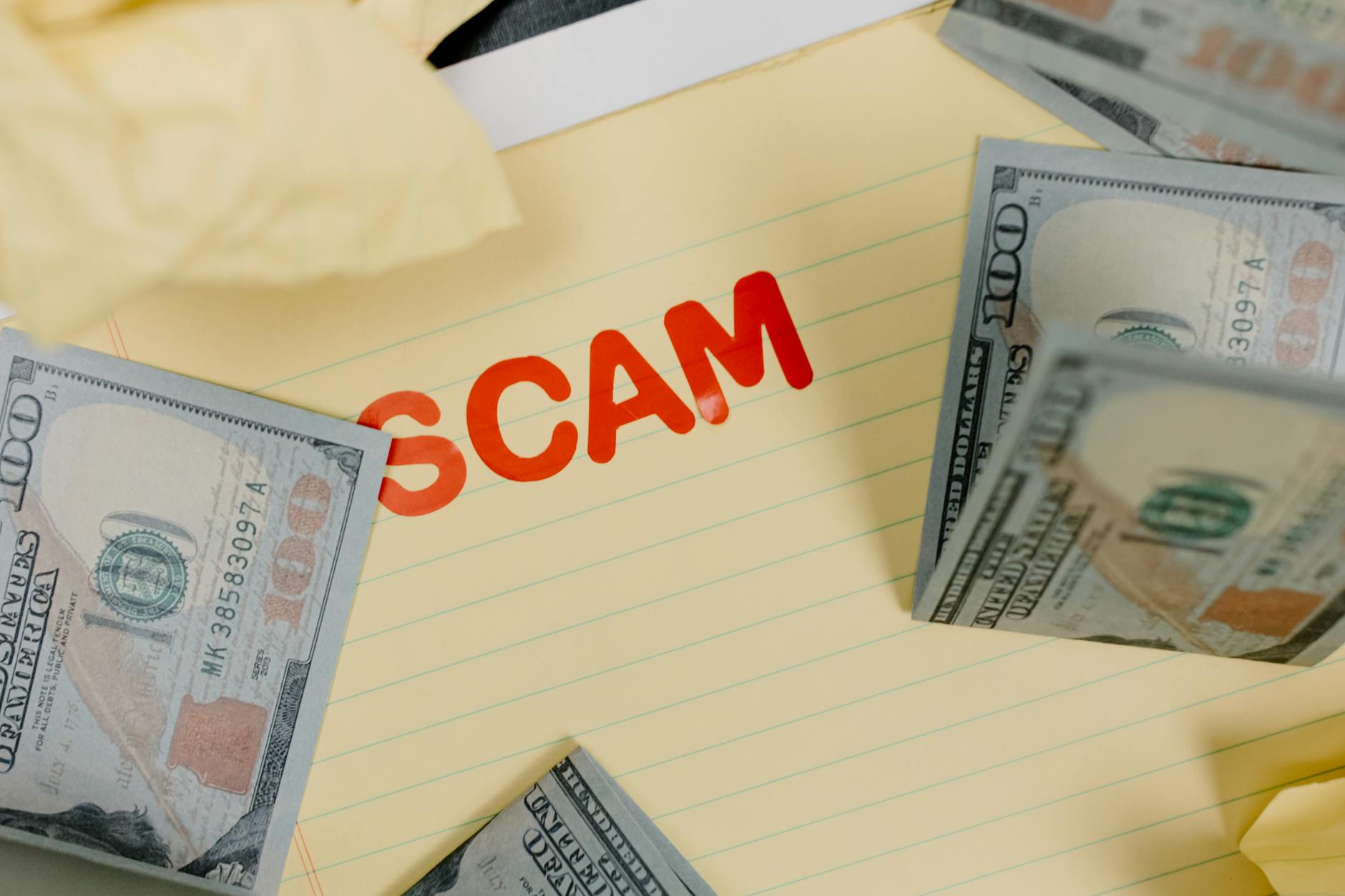
The unclaimed money space has unfortunately attracted scammers who prey on people searching for their missing funds. In March 2026, the Federal Trade Commission issued a consumer alert specifically warning against unclaimed money scams. Legitimate government unclaimed property searches are completely free. If someone calls you, emails you, or texts you claiming to help recover unclaimed funds in exchange for an upfront fee, credit card information, or bank account access, you’re being scammed. Common unclaimed money scams use several tactics. Some scammers call pretending to be state agency representatives and demand an upfront fee—often $25 to $100—to “process” your claim. Others request your Social Security number, date of birth, and banking information supposedly to verify your identity, then use that data for identity theft.
Still others use high-pressure tactics, claiming you must pay immediately or your claim will expire. All of these are red flags. Legitimate state agencies will never charge you to claim your own money, and government representatives are unlikely to call you out of the blue claiming you have unclaimed property—you’ll typically discover that through your own search. To protect yourself, search only through official government websites like MissingMoney.com or your state’s specific unclaimed property division. Never provide banking information, Social Security numbers, or credit card details to unsolicited callers. If you’ve already been contacted by someone claiming to help you find unclaimed money, you can report the scam to the FTC at ReportFraud.ftc.gov. Your own proactive search using government resources puts you in control of the process and ensures you don’t fall victim to predatory schemes.
What Happens to Unclaimed Funds That Aren’t Claimed?
When property remains unclaimed for very long periods, states have policies governing what happens next. Generally, unclaimed property is held indefinitely—most states have no statute of limitations on claims, meaning you can claim your property decades later if you eventually discover it. However, unclaimed settlement funds, which are different from general unclaimed property, sometimes have specific distribution provisions written into the settlement agreement itself. If unclaimed settlement funds aren’t claimed within the timeframe specified by the settlement, several things can happen.
Some settlements require that unclaimed funds revert to the defendant company—essentially returning the compensation money back to the organization the lawsuit targeted. Other settlements send unclaimed funds to state treasuries through escheatment, where they become part of state general revenue. Some modern settlements include cy pres provisions directing unclaimed funds to nonprofits or charitable organizations aligned with the settlement’s subject matter. For example, in a privacy litigation settlement, cy pres funds might go to digital rights organizations. This approach at least ensures the money benefits the broader community rather than simply enriching the defendant or funding state budgets, though it provides no compensation to the original class members.
Preventing Financial Handling Errors and Future-Proofing Your Accounts
While unclaimed money will always exist due to the complexity of modern financial systems, individuals can take steps to minimize the risk of their funds becoming unclaimed property. The most critical action is keeping your address current with all financial institutions, employers, insurance companies, and government agencies. Update your address whenever you move, both through official channels and through each specific organization’s website or customer service. This simple step prevents mail from being returned as undeliverable and ensures you receive checks, refunds, and important notices. Be proactive about banking relationships. Don’t leave accounts open and dormant if you no longer use them. Close unused accounts or ensure you maintain minimal activity to prevent dormancy.
Keep records of all accounts you open, including account numbers, institutions, and approximate balances. Some people maintain a personal file or spreadsheet documenting their financial accounts, passwords, and contact information—useful both for your own records and for executors if something happens to you. Set reminders to reconcile statements and follow up on unexpected refunds or deposits that don’t arrive as expected. If an employer or organization promises to send you a check, follow up if it doesn’t arrive within the expected timeframe. Looking forward, technology is gradually making this problem easier to solve. More states are moving toward digital notifications when property escheats to them, and some are experimenting with automated matching systems that can connect unclaimed funds to owners proactively. Additionally, growing awareness campaigns about unclaimed property mean fewer people will remain ignorant of their missing funds. Yet the fundamental reality—that mistakes and miscommunications will continue to create unclaimed property—means this issue will persist indefinitely, making knowledge of your options invaluable.
Conclusion
Unclaimed money from financial handling errors exists in the billions of dollars across America, affecting roughly 1 in 7 people. These funds come from dormant accounts, uncashed checks, forgotten refunds, and address changes that prevent financial institutions from reaching their owners. Understanding what creates unclaimed property, how much exists, and where to search for it empowers you to recover funds that are rightfully yours—money the federal government has already processed and is holding in your name across state treasuries and unclaimed property divisions. The path to claiming your unclaimed money is straightforward, free, and protected by law.
Start with a search on MissingMoney.com or your individual state’s unclaimed property website. Avoid scams by never paying upfront fees or providing sensitive information to unsolicited callers. Once you find a match, follow the state’s claims process and provide necessary documentation. Given that $4.49 billion was returned to owners in just one fiscal year, there’s a reasonable chance unclaimed property is waiting for you or your family members. Take the time to search, claim what’s yours, and remember that these funds remain available indefinitely—there’s no rush, but no reason to delay either.