
Unclaimed money from account adjustment errors is typically the result of banking mistakes—disputed charges, incorrect fee applications, or administrative corrections—that banks fail to properly resolve or return to your account. When a bank discovers an error, they must correct it under federal law, but thousands of dollars in disputed adjustments slip into the unclaimed property system every year because institutions mishandle the process or fail to contact account holders. According to the National Association of Unclaimed Property Administrators (NAUPA), states returned $4.49 billion to rightful owners in fiscal year 2024, with unclaimed property nationwide totaling approximately $70 billion across all 50 states, meaning roughly 1 in 7 Americans have money waiting to be returned.
A practical example: A checking account holder is charged an overdraft fee they believe was incorrect. The bank investigates, agrees the fee was applied in error, and credits the account—but the corrected amount lands in a dormant or closed account and goes unnoticed. Years later, the bank turns the unclaimed balance over to the state, and the account holder never receives notice. This is an account adjustment error that becomes unclaimed money, and recovering it requires knowing where to look and how the system works.
Table of Contents
- WHAT ARE ACCOUNT ADJUSTMENT ERRORS AND HOW DO THEY OCCUR?
- HOW ACCOUNT ADJUSTMENTS TRANSFORM INTO UNCLAIMED PROPERTY
- YOUR LEGAL RIGHTS IN BANKING ERROR RESOLUTION
- HOW TO RECOVER UNCLAIMED MONEY FROM ACCOUNT ADJUSTMENT ERRORS
- COMMON PITFALLS AND DELAYS IN RECOVERING ADJUSTMENT ERROR REFUNDS
- STATE UNCLAIMED PROPERTY PROGRAMS AND ACCOUNT ADJUSTMENT ERRORS
- THE FUTURE OF BANKING ERROR RESOLUTION AND ACCOUNTABILITY
- Conclusion
WHAT ARE ACCOUNT ADJUSTMENT ERRORS AND HOW DO THEY OCCUR?
Account adjustment errors are corrections or adjustments that banks make to accounts due to their own mistakes. These can include reversed transactions, corrected fee applications, interest calculation errors, or refunds resulting from disputed transactions or regulatory violations. Banks are required to make these adjustments, but the challenge arises when the correction doesn’t reach the customer or when accounts become dormant before the adjustment is fully processed.
The Federal Reserve has documented compliance issues among financial institutions, finding that many banks fail to meet Regulation E standards, which require prompt investigation and resolution of reported banking errors. The regulation mandates that institutions investigate oral notice of errors within a specified timeframe and provide written notification of findings—yet enforcement data shows widespread non-compliance, with institutions delaying investigations or failing to contact customers with results. When banks don’t properly complete the error resolution process, the adjusted funds can languish in the account, eventually becoming legally classified as unclaimed property that must be turned over to the state after a dormancy period (typically 3 to 5 years, depending on the state).
HOW ACCOUNT ADJUSTMENTS TRANSFORM INTO UNCLAIMED PROPERTY
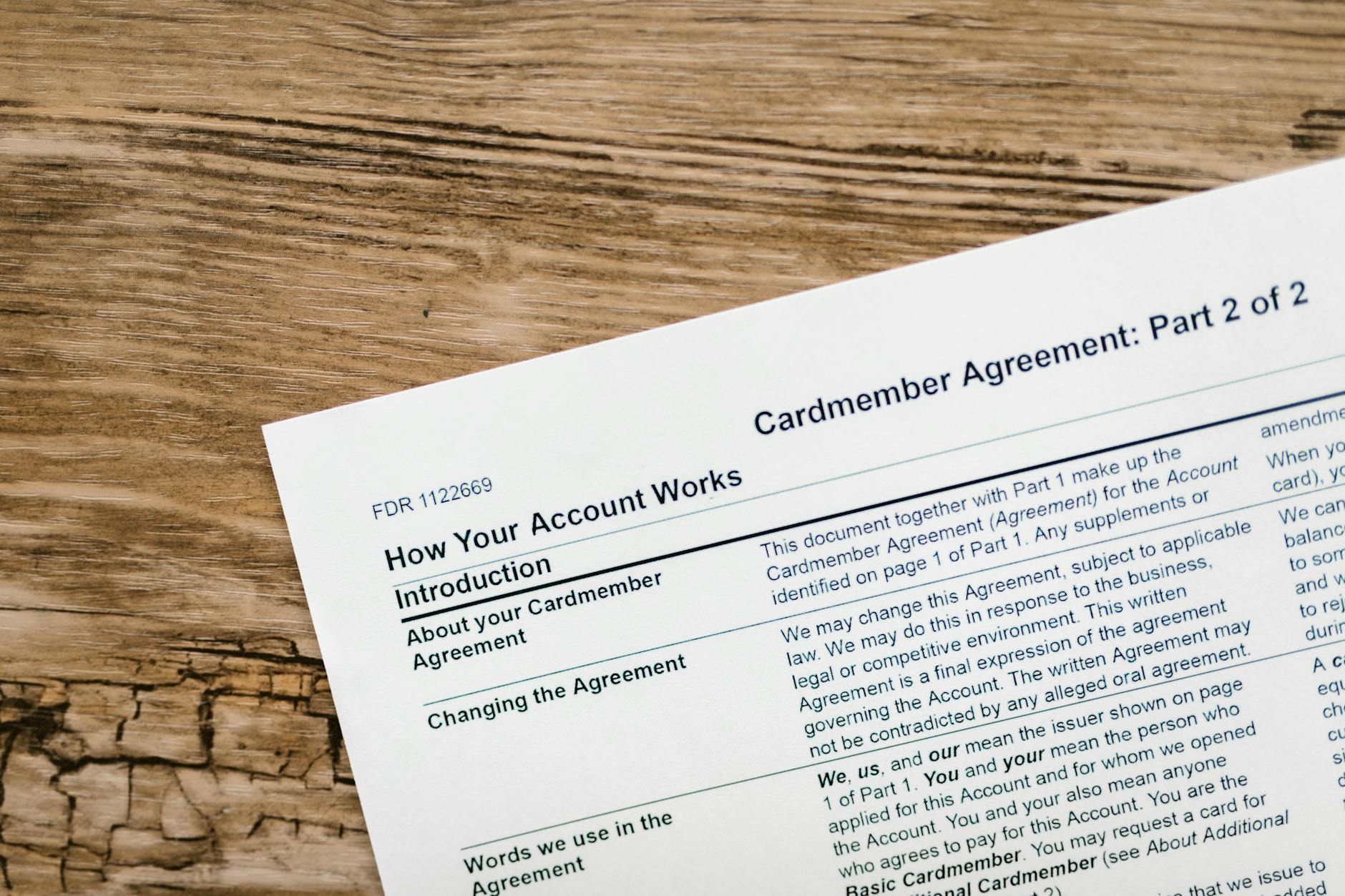
The journey from bank error to unclaimed money follows a specific legal path. When a bank discovers it has made an error—overcharged a fee, failed to credit a deposit, or incorrectly processed a transaction—it initiates an account adjustment. If the customer’s account is active or reachable, the correction typically resolves the issue. However, if the account has been closed, dormant, or the customer has changed contact information, the bank may not be able to deliver the adjustment.
Additionally, poor communication from the bank means customers often don’t realize an adjustment has been made or where the corrected funds are located. A significant limitation is that banks often lack robust systems to track and communicate account adjustments, particularly for small amounts that might be overlooked. If a corrected balance of $47 sits in an inactive account and the bank cannot reach the account holder, state law requires the bank to eventually transfer that money to the state unclaimed property program. Approximately $2.1 billion in unclaimed surplus funds from tax sales and foreclosure auctions already sits in county and state accounts, demonstrating how easily corrections can be misplaced in the broader financial system.
YOUR LEGAL RIGHTS IN BANKING ERROR RESOLUTION
Federal law, specifically Regulation E of the Electronic Fund Transfer Act, establishes your right to have banking errors investigated and corrected. When you report an error—either in writing or orally—the bank must acknowledge receipt, investigate, and provide a written explanation of findings within a defined timeframe. If the bank finds the error was indeed their responsibility, they must correct the account promptly and without penalty to you.
A real example: A customer notices their bank charged them a monthly maintenance fee every month despite being told the account was fee-free. After the customer reports the error, the bank must investigate and, if it confirms the fee was improper, must credit the account for all months charged. However, if the account has been inactive or closed, and the bank can only reach the customer months later, the corrected amount may be subject to state unclaimed property laws. Understanding this distinction—between the correction itself (which is your right) and the delivery mechanism for the corrected funds—is crucial, because it affects where and how you’ll retrieve your money.
HOW TO RECOVER UNCLAIMED MONEY FROM ACCOUNT ADJUSTMENT ERRORS
The process for recovering funds depends on where the money currently is. If the error was recently discovered and the account is still active, contact your bank directly, request documentation of the error investigation, and confirm the correction was applied. Ask for written confirmation of the adjustment and keep detailed records.
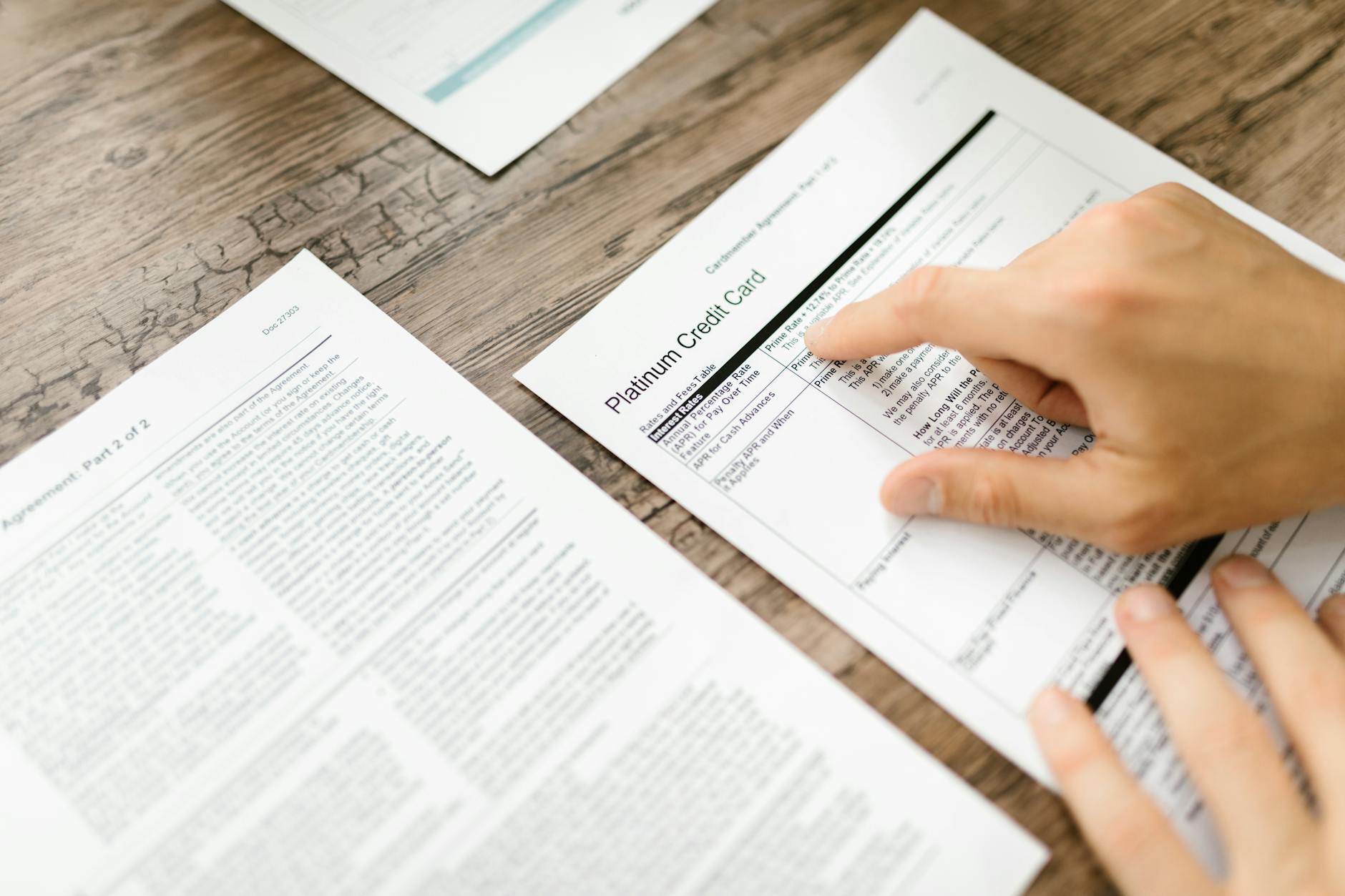
If the account has been closed or the money was turned over to the state, you’ll need to search your state’s unclaimed property database—every state maintains a searchable registry available through your state’s attorney general office or treasury department. The comparison matters here: recovering money directly from your bank is immediate but requires prompt action and communication with the bank. Pursuing unclaimed property through the state takes longer (typically 30 to 90 days from claim submission) but provides a legally established process with no statute of limitations for most types of property. If you find unclaimed money in your state’s database that stems from a bank adjustment, file a claim with the state and provide documentation from your bank showing the error investigation, or contact the former bank to request proof of the adjustment.
COMMON PITFALLS AND DELAYS IN RECOVERING ADJUSTMENT ERROR REFUNDS
One of the most frequent problems is that customers don’t realize an account has been closed or become dormant, so they assume the adjustment was completed. Banks are not always proactive in notifying account holders when an adjustment is pending, especially if contact information is outdated. Additionally, name changes due to marriage or other circumstances can complicate the matching process when the state tries to reunite money with its rightful owner.
A critical warning: never assume a small corrected amount is “not worth pursuing.” Thousands of dollars in unclaimed adjustment funds accumulate because people believe the amount is trivial. However, unclaimed property claims have no expiration date in most states, meaning you can claim the money years or decades later. The limitation to watch for is that while you can always file a claim, reconstructing proof of the error years later becomes more difficult. If you know a bank error was corrected, keep documentation immediately, including statements, communications with the bank, and any written acknowledgment of the correction.

STATE UNCLAIMED PROPERTY PROGRAMS AND ACCOUNT ADJUSTMENT ERRORS
Every state operates an unclaimed property program, and if a bank’s corrected funds remain unclaimed after the dormancy period, they are transferred to the state. These programs are designed to reunite money with owners, and the process is straightforward: search your state’s unclaimed property database (most are free and accessible online), file a claim if you find money in your name, and submit proof of ownership. For example, a customer in Texas had their bank investigate an overdraft fee error and credit their account, but the customer had moved and didn’t see the statement.
After the dormancy period, the bank transferred the adjusted amount to Texas’s unclaimed property program. The customer, now living in another state, searched the Texas database years later, found the entry, and submitted a claim with supporting documentation, successfully retrieving the funds. State programs have no time limit for claims, making them a reliable option for recovering funds that have been unclaimed for years.
THE FUTURE OF BANKING ERROR RESOLUTION AND ACCOUNTABILITY
As regulatory scrutiny of banking compliance increases, financial institutions are being held more accountable for failing to properly investigate and resolve errors. The Federal Reserve has emphasized the need for stronger compliance with Regulation E, signaling that banks must improve their error resolution processes, communication with customers, and timely transfer of corrected funds. Emerging fintech platforms and banking innovations may also improve transparency and speed in error resolution, allowing customers to dispute and track corrections in real time.
Looking ahead, the unclaimed property system is likely to see improvements in data matching and notification as states invest in technology to reunite owners with their funds faster. Some states have begun sending outreach notifications when money is transferred to state custody, reducing the reliance on individuals discovering unclaimed balances themselves. For now, the safest approach is to monitor your accounts actively, request written confirmation of any error investigation, and periodically check your state’s unclaimed property database.
Conclusion
Unclaimed money from account adjustment errors results from banking mistakes that are not properly communicated or resolved, allowing corrected funds to eventually become classified as unclaimed property. Understanding your rights under Regulation E, maintaining documentation of any errors and corrections, and knowing how to search your state’s unclaimed property database are essential steps to recovering this money. Whether the error is recent or from years past, the tools to locate and claim your money exist and are free to use.
If you suspect you have unclaimed money from a bank error, start by contacting the institution directly if the account is still active, or search your state’s unclaimed property registry to locate funds that may have been transferred to state custody. Keep records of any disputes, corrections, or adjustments, and don’t assume any amount is too small to pursue. The process is straightforward, the laws protect your right to reclaim this money, and thousands of dollars in unclaimed adjustment funds are successfully returned to owners each year through state programs.