
Searching for unclaimed money under previous names is essential because state databases require exact name matches, and you may have had funds registered under names you no longer use. If you’ve changed your name through marriage, divorce, legal name change, or even gone by nicknames or different variations throughout your life, those names could be connected to unclaimed property sitting in state accounts right now. For example, a woman who was married twice might have unclaimed funds registered under her maiden name, her first married name, and her current name—all sitting in different state databases waiting to be claimed, but only if someone searches using those exact names.
With approximately 1 in 10 Americans holding unclaimed money and over $70 billion in unclaimed property across all 50 states, the odds are significant that you or your family members have funds waiting somewhere. The challenge isn’t that the money doesn’t exist—it’s that you won’t find it unless you search systematically using every name variation you’ve ever been registered under. State controllers, banks, and financial institutions hold this money because they’ve lost contact with the owner for a specified period, typically a year or more. But they can only return it if someone searches using the exact name appearing in their records.
Table of Contents
- How Do Name Matching Systems Work for Unclaimed Property Databases?
- The Scope of Unclaimed Property and Why You Shouldn’t Miss Money Under Other Names
- Maiden Names, Divorce, and Other Name Changes That Create Hidden Financial Records
- How to Search Under Previous Names: A Step-by-Step Approach
- What You’re Missing If You Don’t Search: Common Blind Spots
- Estate Planning and Family Implications of Missing Previous Names
- Taking Action Now: The Future of Unclaimed Property Discovery
- Conclusion
How Do Name Matching Systems Work for Unclaimed Property Databases?
unclaimed property databases are maintained by state treasurers and controllers, and they operate on a simple principle: they search for exact matches between the name you enter and the names in their system. If you search for “Sarah Smith” but the funds are registered under “Sara Smith” or “S. Smith,” the search will return no results, even though the money is legitimately yours. This is why previous names matter so critically—databases don’t perform fuzzy matching or account for name changes.
They’re looking for precise matches as they appear in the original financial institution’s records. Different financial institutions may have recorded your name differently depending on how you presented it at the time. A bank account opened under “Margaret Jones” before marriage might have been transferred to records under “Margaret Williams” after a name change, but incomplete name updates mean some accounts could remain under the original name. Similarly, if you ever used a middle name as a first name, a nickname, or a slightly different spelling on official documents, those variations could create separate entries in unclaimed property databases. One person might discover they have funds under three different name variations, each in a different state, representing money from accounts they forgot about over the years.

The Scope of Unclaimed Property and Why You Shouldn’t Miss Money Under Other Names
The scale of unclaimed property in the United States is staggering: over $70 billion sits in state treasuries waiting for rightful owners. During fiscal year 2024, states returned $4.49 billion to property owners—a record amount—with claims averaging $2,080 each. California alone found that one in three people who searched their name in the official database discovered unclaimed property owed to them. In 2025, California sent 100,000 outreach letters to residents about unclaimed property between $500 and $5,000, resulting in $25 million being claimed by 22,000 individuals.
However, these successes only happen when people search using the correct names. The limitation here is critical: state outreach efforts can only contact people whose current information is on file with financial institutions, and many people never update their information after a name change. If a bank never received notification of your marriage or divorce, your unclaimed funds might still be registered under your previous name. Even the most aggressive state outreach campaigns can’t reach everyone, especially when names don’t match. this means that relying on states to find you is less effective than proactively searching yourself using every name variation you’ve had throughout your life.
Maiden Names, Divorce, and Other Name Changes That Create Hidden Financial Records
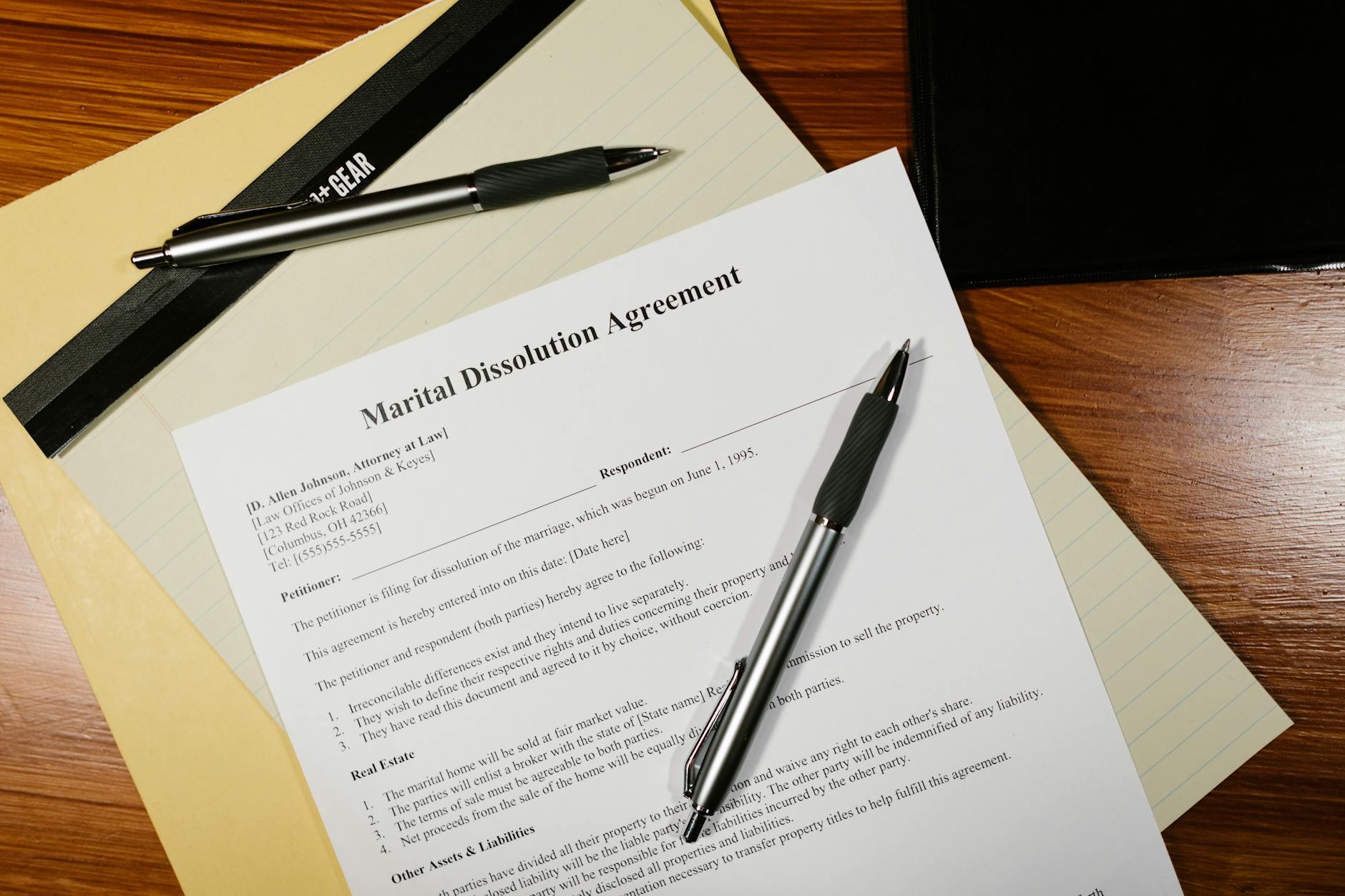
Maiden names represent one of the largest categories of missed unclaimed property. A woman who married at 25 and remained married for 30 years might have accounts and assets registered under her maiden name from her early adulthood, her first married name, or both. If she divorced and remarried, the number of name variations multiplies. Each of these names could be connected to old bank accounts, security deposits, insurance claims, or retirement accounts that were forgotten or never properly closed.
Without searching under every name she’s ever used, she could unknowingly leave tens of thousands of dollars unclaimed. Divorce settlements often involve dividing assets, but small accounts or dormant balances sometimes fall through the cracks, especially if contact information changes and financial institutions lose touch with account holders. A woman might have an old IRA or brokerage account that remained in her maiden name, untouched for a decade, and eventually turned over to the state as unclaimed property. Her current husband and children would have no way of knowing this money exists unless they searched her maiden name specifically. The same applies to men who legally changed their names for any reason—previous employers, insurance companies, and financial institutions might still have records under an older name.
How to Search Under Previous Names: A Step-by-Step Approach
The most comprehensive approach is to search every state where you’ve lived, worked, or had financial accounts, using every name variation you can remember. Start with your current name, then search under maiden names, former married names, any nicknames used on official documents, and variations in middle names or initials. For example, if you were christened “Elizabeth Ann Johnson” but went by “Liz Johnson” professionally and “Betty Johnson” in your personal life, you should search all three versions. The free, official MissingMoney.com database, managed by the National Association of Unclaimed Property Administrators (NAUPA), allows you to search participating state databases without paying fees.
However, there’s a tradeoff: searching is time-consuming, especially if you’ve lived in many states or have numerous name variations. A single person might need to perform 50 or more individual searches to be thorough. Some people hire search services to do this work, paying fees that can range from 10 to 30 percent of recovered amounts—a cost that’s worth considering if the complexity is overwhelming or if you suspect significant unclaimed property. Doing the search yourself through free databases costs nothing but your time; using a service costs money but saves effort. Neither approach is inherently better; it depends on your situation and how much unclaimed property you suspect you have.
What You’re Missing If You Don’t Search: Common Blind Spots
Most people only search their current name once, if they search at all. They assume that if they had unclaimed money, someone would contact them—but this assumption is dangerously wrong. Financial institutions aren’t obligated to launch extensive search campaigns, and they certainly won’t search for name variations on your behalf. The burden of discovery falls entirely on the property owner. Someone who has never searched for unclaimed property under a maiden name could be missing thousands of dollars that’s been sitting in a state treasury for a decade or longer.
Another common blind spot involves family members. If a parent or relative passed away, their unclaimed property might still be in state databases under their names. Heirs often don’t realize they should search the deceased person’s complete name history, including any nicknames or former names. Without doing so, assets that legally belong to the estate never get recovered. This is a significant issue in estate planning: if attorneys don’t know about all the names a person used, they may miss unclaimed property during the settlement process, effectively leaving money on the table for beneficiaries.

Estate Planning and Family Implications of Missing Previous Names
Consider a real-world scenario: a man named Robert James Miller dies, and his family goes through his papers to settle his estate. His will and bank accounts are in the name “Robert J. Miller,” but decades earlier, when he was young, he opened a savings account under “Bob Miller” while working his first job in another state. That account was forgotten, never closed, and eventually turned over to the state as unclaimed property—registered under “Bob Miller.” The family’s attorney searches for unclaimed property under “Robert James Miller” and “Robert J.
Miller” but finds nothing. The $3,000 that was in that account from 1985 remains unclaimed and, after a certain period, may revert to the state’s general fund. This scenario happens frequently because people don’t maintain comprehensive records of every financial account they’ve ever opened, especially from earlier in their lives. If family members don’t know to search under childhood nicknames, former names from before a marriage, or names used in other states, assets get lost. The best protection is maintaining a personal financial inventory that includes every account you’ve ever opened and the exact name used, then sharing this information with family members or including it in your estate planning documents.
Taking Action Now: The Future of Unclaimed Property Discovery
State governments are increasingly investing in unclaimed property outreach. California’s 2025 campaign sending 100,000 letters to residents signals growing recognition that unclaimed property represents real wealth for regular people. As technology improves and state databases become more sophisticated, searching may eventually become easier—but for now, the responsibility falls on individuals to search proactively and thoroughly. Waiting for a state to contact you means gambling that your information matches your current details and that you’re part of their outreach efforts.
The forward-looking approach is to search for unclaimed money regularly, not just once. People accumulate new accounts and assets throughout their lives, and over time some may become dormant and unclaimed. Checking every few years, particularly after major life changes like marriage, divorce, relocation, or employment changes, ensures you don’t miss newly unclaimed property. The investment of an hour or two searching under all your name variations could return hundreds or thousands of dollars to you or your family.
Conclusion
Searching for unclaimed money under previous names isn’t optional—it’s essential if you want to recover the assets that legally belong to you. With 1 in 10 Americans holding unclaimed property and over $70 billion sitting in state treasuries, the statistical probability that you have unclaimed funds is high. But databases don’t search for you, and they don’t account for name variations. You must systematically search using every name you’ve ever been registered under, from maiden names to former married names to any nicknames that appeared on financial documents.
Start by visiting MissingMoney.com and search every state where you’ve lived using all your name variations. If you’ve experienced major life changes—marriage, divorce, relocation, or name changes—prioritize searching under previous names. The search is free, takes minimal time per name, and could reunite you with forgotten money. Your past names aren’t just history; they’re the key to unclaimed property that could be waiting for you right now.