
When you inherit unclaimed funds, abandoned property, or class action settlement payouts from a deceased relative, you almost always need to prove your relationship to them. State agencies and claim administrators require this documentation to verify that you’re a legitimate heir or beneficiary rather than someone making a fraudulent claim. Without proof of your relationship—whether through a birth certificate, marriage certificate, or court documents—your claim will almost certainly be denied, even if the funds rightfully belong to your family. Why does this requirement exist? Unclaimed funds in state treasuries and class action settlements represent millions of dollars sitting dormant.
Both state governments and settlement administrators have a legal obligation to distribute these funds only to entitled parties. If anyone could claim funds by simply providing a name, the system would be ripe for fraud. Proof of relationship ensures that the person claiming the money has a legitimate legal connection to the deceased account holder or settlement beneficiary. This article explains what documentation you’ll need, how different states handle these requirements, and how recent law changes—particularly in Pennsylvania—may make the process easier for you.
Table of Contents
- Who Needs to Prove Their Relationship and Why?
- What Documentation You’ll Need to Provide
- Claiming Unclaimed Funds When the Original Beneficiary Has Passed Away
- Pennsylvania’s Simplified Process for Unclaimed Property Claims
- Class Action Settlement Claims Have Varying Requirements
- How States Like New York Handle Deceased Owner Claims
- Looking Ahead—Recent Changes and Emerging Trends
- Conclusion
Who Needs to Prove Their Relationship and Why?
Proving your relationship becomes necessary whenever you’re claiming funds on behalf of a deceased person or as part of their estate. This applies to unclaimed property held by state treasuries, unclaimed life insurance proceeds, unpaid wages, utility deposits, class action settlements where the original beneficiary has passed away, and abandoned bank accounts. The key trigger is that someone else—not you—originally owned or was entitled to the money. The reason relationship proof matters so much is that it establishes your legal standing.
State unclaimed property laws rank heirs in a specific order of priority. For example, in Pennsylvania’s streamlined process, relationship preference is given in this order: surviving spouse, children/grandchildren/great-grandchildren, parents, siblings and their children, grandparents. If you claim to be someone’s child but can’t document that relationship, the state won’t release the funds to you even if you’re telling the truth. If multiple people claim the funds, the state needs proof to determine who has priority.
What Documentation You’ll Need to Provide
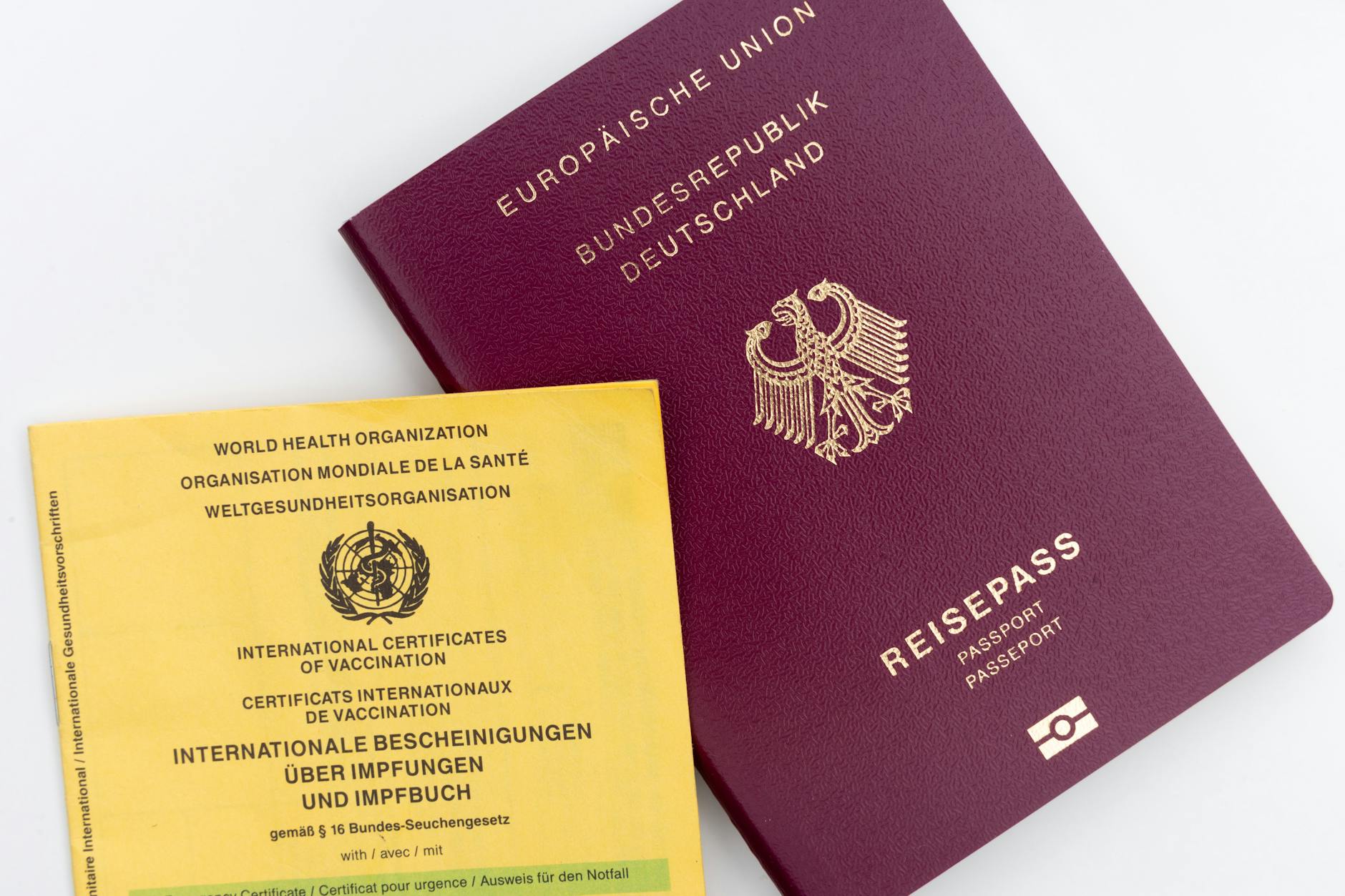
The documentation required to claim unclaimed money from a deceased relative typically consists of three main categories. First, you need a certified death certificate of the deceased—not a photocopy or informal notice, but an official certified copy issued by the vital records office in the state where the person died. Second, you must prove your own identity with a government-issued ID, Social Security number verification, or your own birth certificate. Third, you need documentation establishing your legal relationship to the deceased, which usually means a birth certificate, marriage certificate, or court documents establishing heir or executor status.
However, if you’re claiming funds as the executor or administrator of the deceased person’s estate, you may need additional paperwork. Court-issued letters testamentary or letters of administration demonstrate your legal authority to act on behalf of the estate. A simple statement from family members or a funeral program won’t satisfy this requirement. The reason is that states and administrators need to verify not just who you are, but whether you have the legal right to make the claim. Without these official documents, the process stalls or your claim gets rejected.
Claiming Unclaimed Funds When the Original Beneficiary Has Passed Away
The situation becomes more complex when you’re trying to claim funds that belonged to someone who has since died. You must first establish who that person was and verify their death, then prove your relationship to them and your right to inherit. Many people make the mistake of assuming they can just write a letter explaining their family connection. State treasuries and class action administrators need official proof because they’re legally required to ensure funds go to legitimate heirs, not sympathetic strangers with invented family stories.
For deceased beneficiaries in class action settlements, the documentation must be issued by court or state law process—something that identifies the legal representative, executor, or administrator of the estate. A letter from a relative, an obituary, or your word that you’re their child isn’t enough. This requirement exists because class action settlements involve contracts and specific rules about who can receive payouts. Even if everyone involved believes you should get the money, the settlement trustee can’t legally distribute it without the right paperwork.

Pennsylvania’s Simplified Process for Unclaimed Property Claims
Pennsylvania recently made it easier for heirs to claim unclaimed property with the passage of Act 50 (effective May 25, 2026, with the law taking effect November 24, 2025). Under the old system, eligible heirs had to go through full probate proceedings just to access relatively small amounts of unclaimed property. The new law allows eligible heirs to use a notarized affidavit for unclaimed property claims up to $20,000, raising the previous limit of $11,000. This is a significant change that eliminates the need for full probate court involvement in many cases.
The streamlined process still requires you to prove your relationship and the deceased’s entitlement to the funds, but the documentation pathway is much simpler than traditional probate. Instead of filing court paperwork and waiting for a judge’s approval, you can notarize an affidavit swearing to your relationship and your right to the funds. This works well for smaller claims—which covers the majority of unclaimed property cases—but claims over $20,000 still require the traditional probate route. If you’re in Pennsylvania or claiming funds from a Pennsylvania account or company, this new law could save you significant time and expense.
Class Action Settlement Claims Have Varying Requirements
Here’s where things get tricky: requirements for proving relationship differ dramatically depending on the specific class action settlement. Some class action settlements require specific proof of relationship or eligibility, such as court-issued documents establishing legal heir status. Many other settlements, however, don’t require proof of purchase or relationship at all—they may only require you to verify you’re a member of the settlement class through other means. A few settlements ask for minimal documentation, while others want the full package. The variation exists because each settlement has its own terms and administration rules.
Some settlements are for consumer products where relationship proof is irrelevant (you either bought the product or didn’t). Others involve life insurance, inheritance, or wrongful death claims where proving your legal relationship to the deceased is central to eligibility. Before you start gathering documents for a class action settlement, check the settlement’s official claims page or administrator’s instructions. Don’t assume that the documentation needed for one settlement applies to another. Some administrators are flexible with missing documents; others reject claims outright if a single required piece is missing.

How States Like New York Handle Deceased Owner Claims
New York State has a specific process for claims involving deceased owners of unclaimed funds. The state requires documentation proving the decedent’s connection to the funds—typically bank statements, utility bills, insurance policies, or employer records that show the deceased person owned or was entitled to the money. You also need evidence of the claimant’s relationship to the deceased.
New York’s Comptroller’s Office has published guidance on this because so many heirs need to claim funds from deceased relatives’ dormant accounts. The practical effect is that you can’t just claim funds without explaining why the deceased person had money sitting unclaimed. If your great-uncle had a forgotten savings account in New York, you’ll need to show documentation connecting him to that account, then show your connection to him. This two-step verification process takes longer but provides another layer of protection against fraud.
Looking Ahead—Recent Changes and Emerging Trends
The trend is clear: states are slowly recognizing that the traditional probate system is too expensive and time-consuming for small unclaimed property claims, and they’re creating streamlined alternatives. Pennsylvania’s Act 50 is one example, but other states are watching and considering similar reforms. If you’re claiming unclaimed funds, check whether your state has introduced any new simplified processes for small estates or unclaimed property. These changes often apply retroactively to funds that have been sitting unclaimed for years.
Additionally, state unclaimed property offices and settlement administrators are becoming more digitized. Some now accept document uploads and electronic notarization, which speeds up the process compared to mailing physical documents. However, this also means requirements are enforced more consistently—there’s less room for flexibility or informal arrangements. Understanding the exact requirements upfront and gathering complete documentation from the start will save you time and frustration.
Conclusion
Proving your relationship to claim unclaimed funds, inherited property, or class action settlement benefits is a standard requirement that exists to protect both the funds themselves and legitimate heirs from fraud. The specific documentation you’ll need—typically a certified death certificate, proof of your identity, and proof of your legal relationship—varies slightly depending on whether you’re claiming from a state treasury, a class action settlement, or an estate situation. Recent changes like Pennsylvania’s Act 50 are making the process simpler for smaller claims by allowing notarized affidavits instead of full probate proceedings.
Before starting your claim, look up the specific requirements from the official source—whether that’s your state’s unclaimed property office, the settlement’s claims administrator, or the probate court. Gathering the right documents upfront will prevent delays and rejections. Most importantly, don’t assume that one settlement’s requirements match another’s or that informal family proof will suffice. Having official, certified documentation is the fastest way to get the money that’s rightfully yours.