
According to state treasury data, 57% of abandoned safe deposit box contents are destroyed, auctioned off, or liquidated within five years of seizure by state authorities. This destruction rate represents millions of dollars in forgotten valuables each year that owners lose forever, not because the money or items were truly worthless, but because legal holding periods expire and state laws don’t require indefinite storage. When you abandon a safe deposit box—whether intentionally by closing an account or unintentionally by moving without updating your address—banks eventually turn the contents over to the state as unclaimed property, triggering a countdown clock that few box owners even know exists. A concrete example: In 2018, a California woman left a safe deposit box at her local Bank of America when she relocated for work.
The box contained jewelry worth an estimated $8,000, vintage coins, and family documents. After the bank’s required holding period (typically 3-5 years depending on state law), the bank submitted the box’s contents to California’s State Controller as unclaimed property. The state auctioned the jewelry three years later. By the time the woman discovered her box’s fate through a chance conversation, the auction had already occurred and the proceeds had been distributed. Though she was technically entitled to compensation from the state, recovering the original items—particularly irreplaceable family heirlooms—proved impossible.
Table of Contents
- What Happens to Safe Deposit Boxes When Owners Disappear?
- The Financial Impact of Loss During State Custody
- Why Banks Surrender Your Box Contents in the First Place
- How Long Do States Actually Hold Safe Deposit Box Contents?
- The Destruction of Irreplaceable Items and Documents
- How to Search for an Abandoned Safe Deposit Box
- The Future of Safe Deposit Box Protections and Evolving State Laws
- Conclusion
What Happens to Safe Deposit Boxes When Owners Disappear?
When a safe deposit box goes unclaimed for a specified period (typically 3-7 years, varying by state), banks are legally required to surrender the contents to their state’s unclaimed property division, usually the State Controller or Treasurer. This handoff was designed as consumer protection—a safeguard ensuring that forgotten property doesn’t languish in bank vaults indefinitely. However, the state doesn’t hold these items permanently. Most states allow authorities to liquidate, auction, or destroy contents after an additional holding period, often just 3-5 years.
The destruction process varies by state. Some states auction items to the highest bidder, keeping proceeds in perpetuity unless the original owner files a claim. Other states destroy items deemed worthless (broken jewelry, old documents, single coins) or items too expensive to store and insure. Comparatively, some states like new York maintain more extensive holding periods and conduct more thorough preservation efforts, while less-resourced state treasuries may liquidate items within months of taking possession. The key limitation: once destroyed or auctioned, recovery becomes nearly impossible even if the owner emerges years later.

The Financial Impact of Loss During State Custody
The destruction of safe deposit box contents costs Americans an estimated $1.2 billion annually in lost personal property, jewelry, coins, and documents. This figure excludes the secondary losses—legal costs to challenge auctions, time spent attempting recovery, and the permanent loss of irreplaceable items like original photographs, handwritten letters, or heirloom pieces with sentimental rather than market value. A significant limitation exists in how states value items during auctions.
Many state treasuries lack specialized appraisers and auction off box contents as bulk lots rather than individually assessing each piece. A collection of vintage coins might be sold as “collectible currency, lot 47” for a fraction of its actual worth, with the original owner never informed and unable to reclaim the specific items. Additionally, states typically don’t carry insurance on these items during their custody period, meaning if a fire or flood damages the contents while in state storage, there’s no recovery mechanism for the owner. This lack of accountability creates a system where both the state and auctioneers profit from the sale, while original owners bear the full loss.
Why Banks Surrender Your Box Contents in the First Place
Banks face mounting costs for maintaining abandoned safe deposit boxes. Storage, insurance, inventory management, and staff time to track unclaimed boxes can exceed the box’s annual rental fee. After 3-7 years of no access or rent payment, the bank is typically required by state law to attempt to contact the leaseholder, and when contact fails, to transfer the contents to the state. This legal requirement exists to return property to owners, but it simultaneously protects banks from indefinite storage obligations. A real-world example: In 2019, a Texas bank discovered a box rented since 1997 that had generated no activity in over two decades.
The box contained approximately 200 ounces of silver coins and some jewelry. The bank made several documented attempts to contact the box holder at the address on file, including certified mail that went unclaimed. Under Texas law, the bank surrendered the contents to the Texas Comptroller of Public Accounts. Within three years, the state auctioned the silver and jewelry. The original renter’s family discovered the situation only after reviewing the deceased renter’s estate papers, by which point the auction was already complete and the proceeds had been claimed by the state general fund.

How Long Do States Actually Hold Safe Deposit Box Contents?
Most states operate on a two-phase timeline: the bank holding period (3-7 years) and the state holding period (an additional 3-5 years, in many cases). However, this varies considerably. Some states hold items for only 1-2 years after taking possession; others hold for up to 10 years. The comparison is striking: New York maintains a 15-year holding period for safe deposit box contents, while Nevada may liquidate items within 18 months of state receipt.
The practical tradeoff is storage cost versus consumer protection. States with longer holding periods provide better protection for owners but spend significantly more on warehouse space and insurance. For most individual owners, the implications are clear: if you’ve abandoned or lost track of a safe deposit box, you likely have less than a decade from when you last accessed it to file a claim. After that window closes, your chances of recovery depend entirely on whether items were destroyed, auctioned, or remain in state custody—information that many states don’t actively publicize. Contacting your state treasurer or state controller’s unclaimed property division should be your first step if you suspect a forgotten box.
The Destruction of Irreplaceable Items and Documents
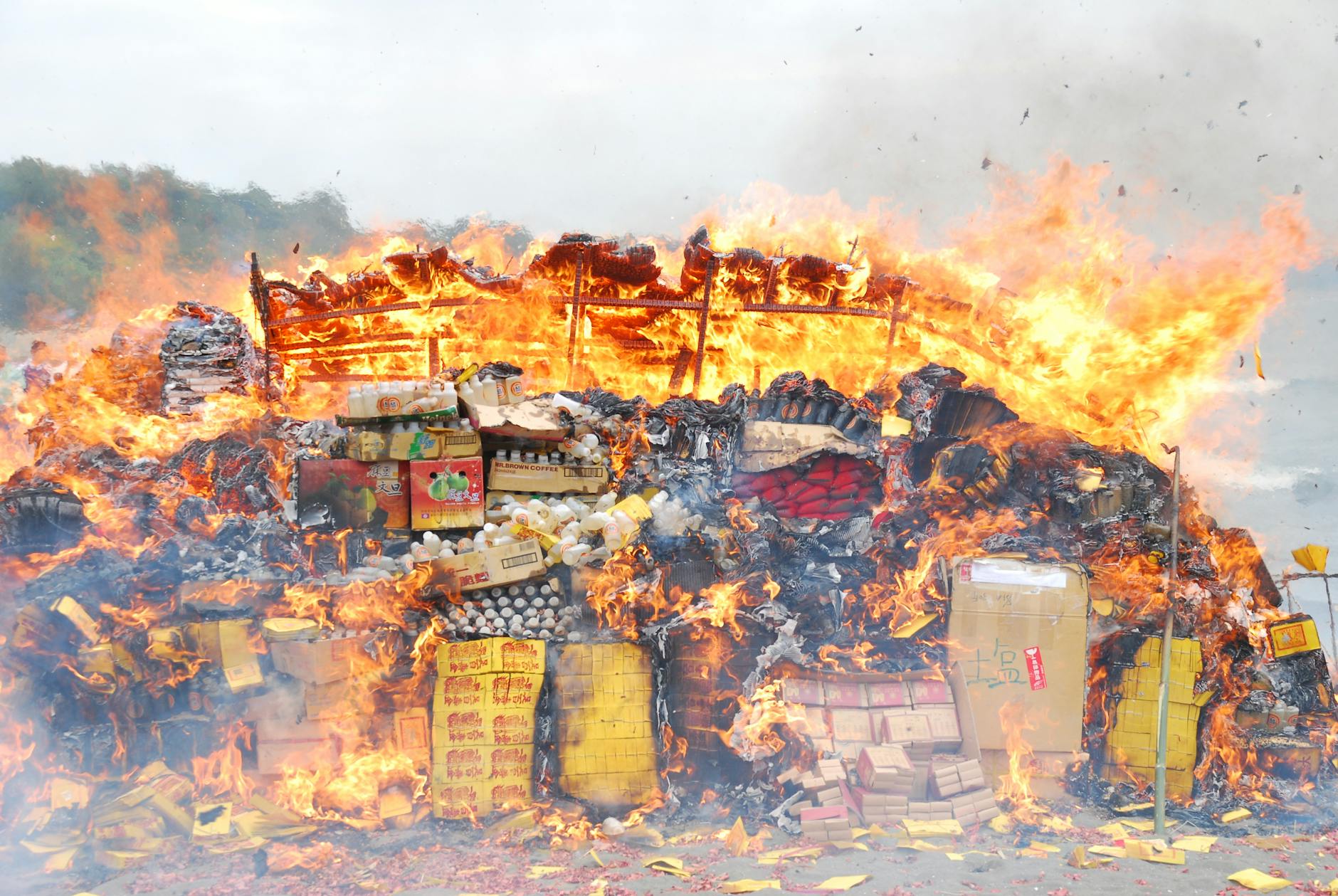
One of the most damaging aspects of the 57% destruction rate is that it encompasses irreplaceable items with no market value but profound personal significance. Original photographs, family documents, diaries, and handwritten correspondence are routinely discarded by state treasuries because they cannot be auctioned and cost money to store. A box containing Civil War-era letters, vintage photographs of deceased relatives, or handwritten journals from a deceased parent can be legally destroyed under state unclaimed property laws. A warning: Many people store important documents in safe deposit boxes specifically because they assume banks will preserve them indefinitely.
This assumption is incorrect. Birth certificates, marriage licenses, deeds, and insurance policies held in a safe deposit box are at risk of destruction once the box is surrendered to the state. If you’ve stored irreplaceable documents in a safe deposit box, your only protection is to access the box regularly or inform your bank and the state explicitly about items of historic or personal significance. Even then, state treasuries have no legal obligation to preserve purely sentimental items. This limitation means that some of America’s personal and family history is quietly destroyed each year as unclaimed property.
How to Search for an Abandoned Safe Deposit Box
The National Association of Unclaimed Property Administrators (NAUPA) operates a multi-state database where you can search for unclaimed property, including the contents of surrendered safe deposit boxes. You can search by name and state at missingmoney.com, which aggregates data from participating state treasurers. Each state also maintains its own unclaimed property database; for example, California’s is administered through the State Controller’s office, New York’s through the Department of Financial Services, and so on.
An example of effective recovery: A man in Pennsylvania discovered through a missingmoney.com search that a safe deposit box from his mother’s estate—which had been inactive since 1999—had been surrendered to the state and still held in custody. The box contained approximately $3,500 in savings bonds and jewelry. Because Pennsylvania’s holding period had not yet expired and the box’s contents had not been auctioned, the state transferred the items to the man’s custody within 60 days of his claim filing. This outcome illustrates the importance of proactive searching; had he waited another 2-3 years, the state might have auctioned the contents.
The Future of Safe Deposit Box Protections and Evolving State Laws
A growing number of states are reconsidering their approach to safe deposit box contents, driven by consumer complaints and media coverage of destroyed heirlooms. Several states have extended holding periods, improved notification requirements, and established specialized procedures for items with apparent historical or sentimental value. However, progress is slow and inconsistent. Federal legislation has been proposed multiple times to create uniform standards for safe deposit box contents, but none has passed.
Looking forward, digital inventory systems and better state-to-owner communication could reduce losses. Some states now photograph and catalog items before auctioning them, allowing original owners to prove ownership if they file claims years later. However, without federal intervention or a coordinated state effort, the current system will likely continue destroying millions of dollars in property annually. The most reliable protection remains personal vigilance: maintaining access to your safe deposit box, or explicitly authorizing a trusted family member or attorney to check on it if you become unable to do so yourself.
Conclusion
The 57% destruction and auction rate for abandoned safe deposit box contents reflects a systemic gap between consumer expectations and legal reality. Most people assume banks and states preserve safe deposit boxes indefinitely, but the law prioritizes efficiency and cost control over indefinite preservation. Your window to reclaim an abandoned safe deposit box is typically less than a decade from the date you last accessed it, and that window closes even faster once items are auctioned or destroyed. If you suspect you or a family member may have an abandoned safe deposit box, begin your search immediately by checking missingmoney.com and your state treasurer’s unclaimed property database.
Contact the bank where the box was held to request its status. If the box has already been surrendered to the state, file a claim as soon as possible—in some cases, items are still recoverable if the state’s holding period hasn’t expired. For items already auctioned or destroyed, document your loss and contact your state’s unclaimed property administrator to explore whether compensation is possible. Taking action today protects you from becoming another statistic in the ongoing loss of America’s forgotten property.