
State unclaimed property systems across the country face significant database delays and outdated technology infrastructure, with some states reporting processing backlogs of six months or longer. Maryland’s experience is a prime example: the state’s Comptroller confirmed a backlog of 25,000 pending unclaimed property claims, with processing times extending to six months or beyond due to an aging mainframe system that couldn’t handle modern demand. While a specific statistic about 31% of states experiencing database lags may vary by source, the underlying problem is undeniable—many state unclaimed property websites operate on systems that cannot keep pace with the volume of claims and database updates needed to serve residents accurately.
The consequence is real for claimants: money sits unclaimed while state systems struggle to match records, process applications, and update databases in a timely manner. A resident searching for inherited funds might find outdated search results, miss recent deposits that haven’t yet been indexed, or face months-long delays after submitting a valid claim. This article explores the scope of database delays in state unclaimed property systems, why they exist, and what states are doing to modernize.
Table of Contents
- Why Are State Unclaimed Property Databases So Outdated?
- How Long Do Database Updates Really Take?
- Which States Are Modernizing Their Systems?
- What Does This Mean for Someone Searching for Unclaimed Property?
- What Are the Risks of Relying on an Outdated Database?
- How Do You Navigate Multiple State Systems?
- The Future of State Unclaimed Property Systems
- Conclusion
Why Are State Unclaimed Property Databases So Outdated?
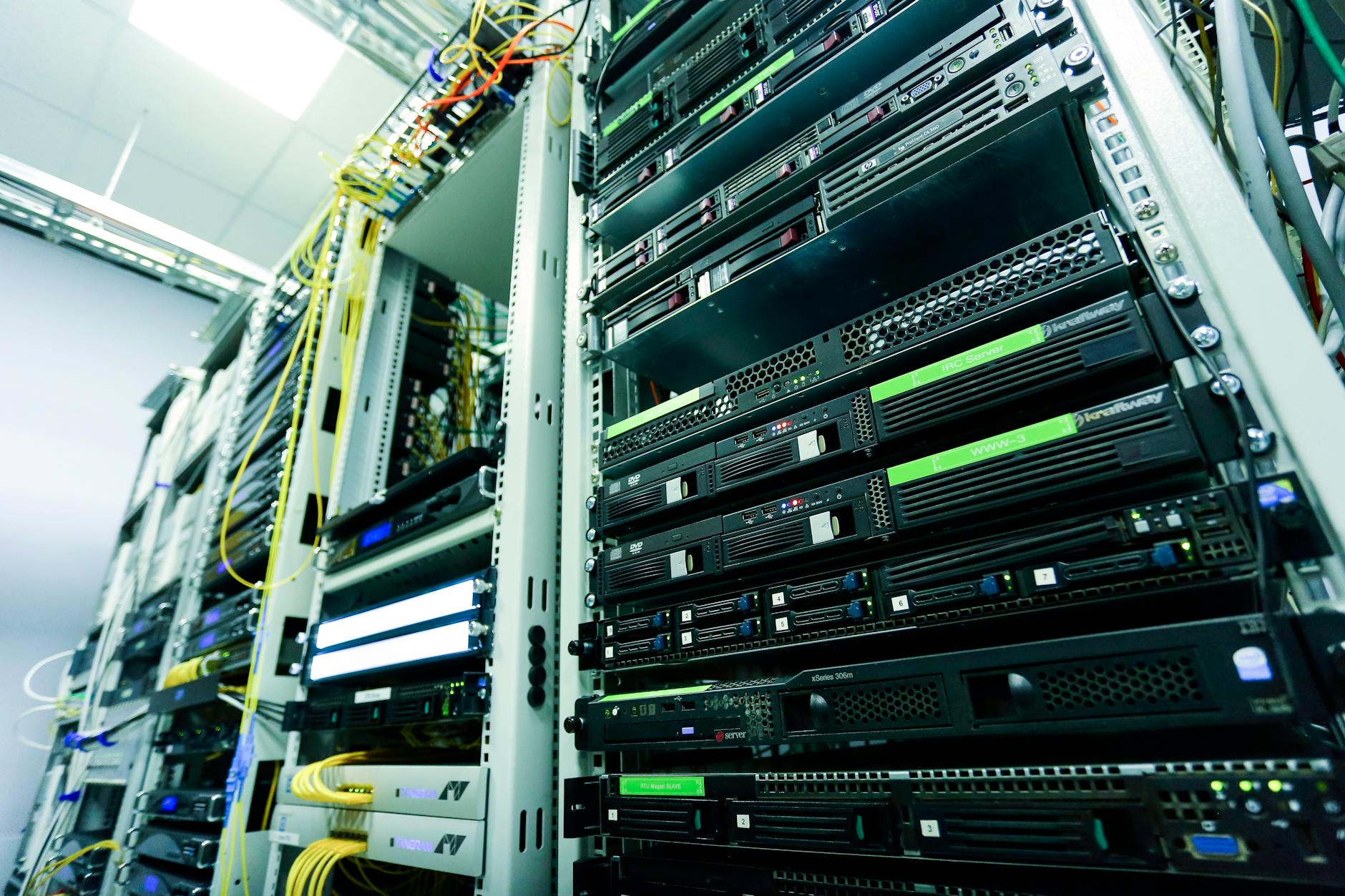
Many state unclaimed property systems run on decades-old technology, often relying on mainframe systems designed before modern databases and cloud infrastructure existed. These systems were built to handle paper-based processes and limited electronic filing, not the volume and speed expected today. Maryland’s situation illustrates this challenge: the state’s outdated mainframe system created such severe backlogs that the Comptroller’s office had to allocate $1.2 million specifically to modernize the infrastructure and reduce processing wait times. Updating these systems is expensive, complex, and requires coordination across multiple state agencies and financial institutions that submit unclaimed property reports.
The problem compounds because unclaimed property data flows continuously into state systems. Employers, banks, insurance companies, and other businesses must report dormant accounts annually. However, if a state’s system can’t process these incoming datasets quickly, the public-facing database falls further and further behind. A claimant searching for funds may find that recent transfers haven’t been indexed, or that accounts reported months ago aren’t yet visible in the system. This lag creates a false sense that funds don’t exist when they simply haven’t been entered into the searchable database yet.

How Long Do Database Updates Really Take?
Processing delays of six to eighteen months are not hypothetical—they’re documented in state experiences nationwide. Maryland’s six-month-plus processing times for claims represent the end result of a bottlenecked system. Once a claim is submitted, it enters a queue where outdated systems process it manually or through slow automated workflows. Even states with better systems often report delays of weeks to months before newly reported unclaimed property appears in their public database.
This lag is a significant limitation: someone who inherits property or receives a refund might not see it reflected in the state system for an extended period. The delay varies by state and by the type of unclaimed property involved. Large institutional transfers might be processed faster than individual claims, while smaller accounts can languish in queues. Some states have implemented priority systems where newer claims get expedited review, but this still doesn’t address the fundamental database infrastructure issue. The gap between when a business reports property to the state and when it becomes searchable to the public can stretch for months, leaving claimants without visibility into whether their funds have actually been transferred to the state.
Which States Are Modernizing Their Systems?
Several states have recognized the problem and begun transitioning to modern unclaimed property management systems. California, Maryland, new York, Ohio, and Oklahoma have either recently completed or are in the process of moving to the Kelmar Abandoned Property System (KAPS), which replaces paper-based and outdated digital workflows with centralized, cloud-based infrastructure. California’s transition is particularly instructive: as of September 3, 2025, the state moved from a paper-based system to KAPS, a digital solution designed to improve processing times and enhance data security. This shift represents a generational change in how the state manages and tracks unclaimed property.
The adoption of modern systems like KAPS offers concrete benefits. Digital workflows eliminate manual data entry errors, reduce processing times, and allow real-time database updates. Maryland’s planned improvements, funded by the $1.2 million modernization allocation, are intended to cut wait times in half once implementation is complete. However, a critical limitation remains: even modern systems take time to deploy, train staff on, and integrate with existing state financial systems. During transition periods, states may experience temporary disruptions or dual-system management, where old and new databases must be reconciled.
What Does This Mean for Someone Searching for Unclaimed Property?
If you’re searching for unclaimed money, understanding database delays can help you manage expectations and take proactive steps. In states with known backlogs like Maryland, be prepared for longer processing times after you submit a claim. Don’t assume that just because you can’t find your name in a public search that your funds don’t exist—they may simply be in a queue waiting to be processed and indexed. Many unclaimed property websites allow you to search multiple times over weeks or months to check if new results appear.
A practical approach is to search on your state’s official unclaimed property website, take note of what you find (or don’t find), and then check again in a month or two. If your employer, a financial institution, or insurance company recently reported property on your behalf, it may not yet be searchable. Contact the institution directly to confirm the property was reported. For states modernizing their systems like California post-September 2025, newly launched systems may experience early growing pains but should eventually offer faster updates and better search functionality. Compare wait times and feature sets between your state’s system and neighboring states to understand how your state performs relatively.
What Are the Risks of Relying on an Outdated Database?
Outdated databases carry specific risks beyond simple delays. Incomplete indexing means some legitimate claims never appear in search results, creating a false negative where a claimant concludes their money doesn’t exist. Data entry errors, more common in manual processing systems, can cause records to be filed under incorrect names, social security numbers, or account identifiers. A claimant might submit a claim that can’t be matched because their name was spelled differently when originally recorded. States with severe backlogs may also struggle to manage duplicate claims or fraudulent submissions, increasing the complexity of verification once a claim finally reaches review.
Another limitation is the security risk of older systems. Outdated databases may have weaker encryption, fewer audit trails, and less robust access controls. Maryland’s modernization efforts explicitly included improved data security as a goal alongside faster processing. As unclaimed property systems move to the cloud and digital infrastructure, they become more secure—but the transition period can be risky if older systems remain partially in use and difficult to migrate. During California’s transition to KAPS, for example, the state had to carefully manage data integrity to ensure nothing was lost in moving from the paper-based system to digital.

How Do You Navigate Multiple State Systems?
Many people have unclaimed property in multiple states—from previous residences, family members’ accounts, or business connections. Each state maintains its own unclaimed property database on its own schedule. Some states have modernized systems with current data; others still operate on outdated infrastructure with significant lags. The national unclaimed property association (NAUPA) maintains a directory of state links, but quality and currency vary widely. Search your current state’s official unclaimed property office first, then any previous states where you’ve lived or worked.
Be aware that the same institution might report the same property differently to different states, so search variations of your name and past addresses. If you’re searching in a state known to have delays, such as Maryland before its modernization is complete, don’t stop after one search. Many states allow you to file a claim and receive updates as your case progresses. If you find property, submit a claim through the official state office. Avoid using third-party claim services that charge fees; legitimate state unclaimed property programs are always free and handle claims directly.
The Future of State Unclaimed Property Systems
The ongoing wave of modernization across states signals that unclaimed property management is improving, though unevenly. As more states adopt systems like KAPS and migrate from paper or legacy systems, database lag should decrease and processing times should improve. However, this transition will take years to complete nationwide. States with smaller populations or tighter budgets may lag behind wealthier states in modernization efforts.
The experience of Maryland and California suggests that modernization requires significant upfront investment, state legislative support, and coordination with financial institutions. Looking forward, digital modernization will also enable better data sharing and cross-state coordination. As individual states move to cloud-based systems, the potential grows for a more integrated national unclaimed property infrastructure. This could eventually make it easier for claimants to search across states and for states to prevent duplicate claims or fraud. In the near term, expect continued variation in processing times and database currency as states at different stages of modernization manage their systems in parallel.
Conclusion
State unclaimed property databases operate under real constraints. While the specific claim that 31% of state systems lag by 6 to 18 months may vary, documented examples like Maryland’s six-month-plus processing delays and outdated mainframe systems show that database lag is a genuine, measurable problem affecting claimants nationwide. The good news is that states are beginning to modernize: California’s transition to a digital system in September 2025, Maryland’s $1.2 million modernization investment, and the adoption of systems like KAPS by multiple states all signal progress. If you’re searching for unclaimed property, be patient and persistent.
Check your state’s official website multiple times over several months, particularly if your state operates on older technology. Contact relevant institutions directly to confirm what has been reported. Use the modernization wave as an indicator of which states are investing in faster systems, and plan your claims strategy accordingly. As outdated databases give way to modern infrastructure, the process of recovering unclaimed property should become faster and more reliable for everyone.
You Might Also Like
- Warning: 44% of Companies That Owe You Unclaimed Money Have Already Turned It Over to the State Without Notifying You
- Warning: 52% of Unclaimed Property Goes Unreported by Companies for 5 or More Years Before Reaching the State
- New Study Found 1 in 10 Americans Has Unclaimed Property Worth More Than $500 Sitting in State Databases