
Billing reconciliation errors occur when money fails to properly account for or gets misapplied during accounting processes, and they create a significant source of unclaimed funds sitting in government and business accounts across the country. These errors range from simple data entry mistakes to complex timing discrepancies between when transactions are recorded and when they actually process, and the money often remains trapped in limbo indefinitely unless someone actively pursues it. A practical example: when a property owner receives surplus funds from a foreclosure sale, the county treasurer may fail to match those proceeds with the correct recipient, leaving thousands of dollars sitting in a suspense account while the rightful owner never receives notification that money awaits them.
The scale of this problem is substantial. An estimated $2.1 billion in surplus funds from tax sales and foreclosure auctions sits unclaimed in county accounts across the United States, representing property overages that legally belong to former owners. Meanwhile, government agencies themselves struggle with payment accuracy—U.S. government agencies identified $162 billion in payment errors in fiscal year 2024 alone, with the situation worsening over time as improper payments jumped 59% from $611 billion in fiscal years 2016-2019 to $971 billion in fiscal years 2020-2023.
Table of Contents
- How Do Billing Reconciliation Errors Create Unclaimed Money?
- The Scale of Government Billing and Payment Errors
- Common Billing Error Types That Generate Unclaimed Money
- How to Search for and Claim Unclaimed Billing Funds
- Limitations and Warnings When Pursuing Billing Error Claims
- Business Efforts to Recover and Prevent Billing Errors
- Future Trends in Billing Reconciliation and Unclaimed Fund Recovery
- Conclusion
How Do Billing Reconciliation Errors Create Unclaimed Money?
Billing reconciliation is the process of verifying that accounting records match actual transactions and bank statements. When reconciliation fails or is performed incorrectly, funds can disappear into suspense accounts or remain recorded under the wrong account holder’s name. The problem often stems from three primary error types: data entry errors like transposition or duplication mistakes, timing differences between when transactions are recorded in the system versus when they appear on actual statements, and missing or unapplied funds that sit forgotten in suspense accounts awaiting resolution. These errors are far more common than most people realize.
In corporate accounting, a missed invoice payment, a duplicated deposit, or a reversed transaction that was never corrected can create a reconciliation discrepancy. When a company goes through bankruptcy, downsizes, or changes ownership, these lingering errors often go unresolved. A practical example: a utility company might credit a customer’s account for a service adjustment but fails to match it to the correct billing period, causing the credit to remain in a holding account. If the customer moves or the company doesn’t maintain proper records, that credit—sometimes hundreds of dollars—becomes unclaimed indefinitely.
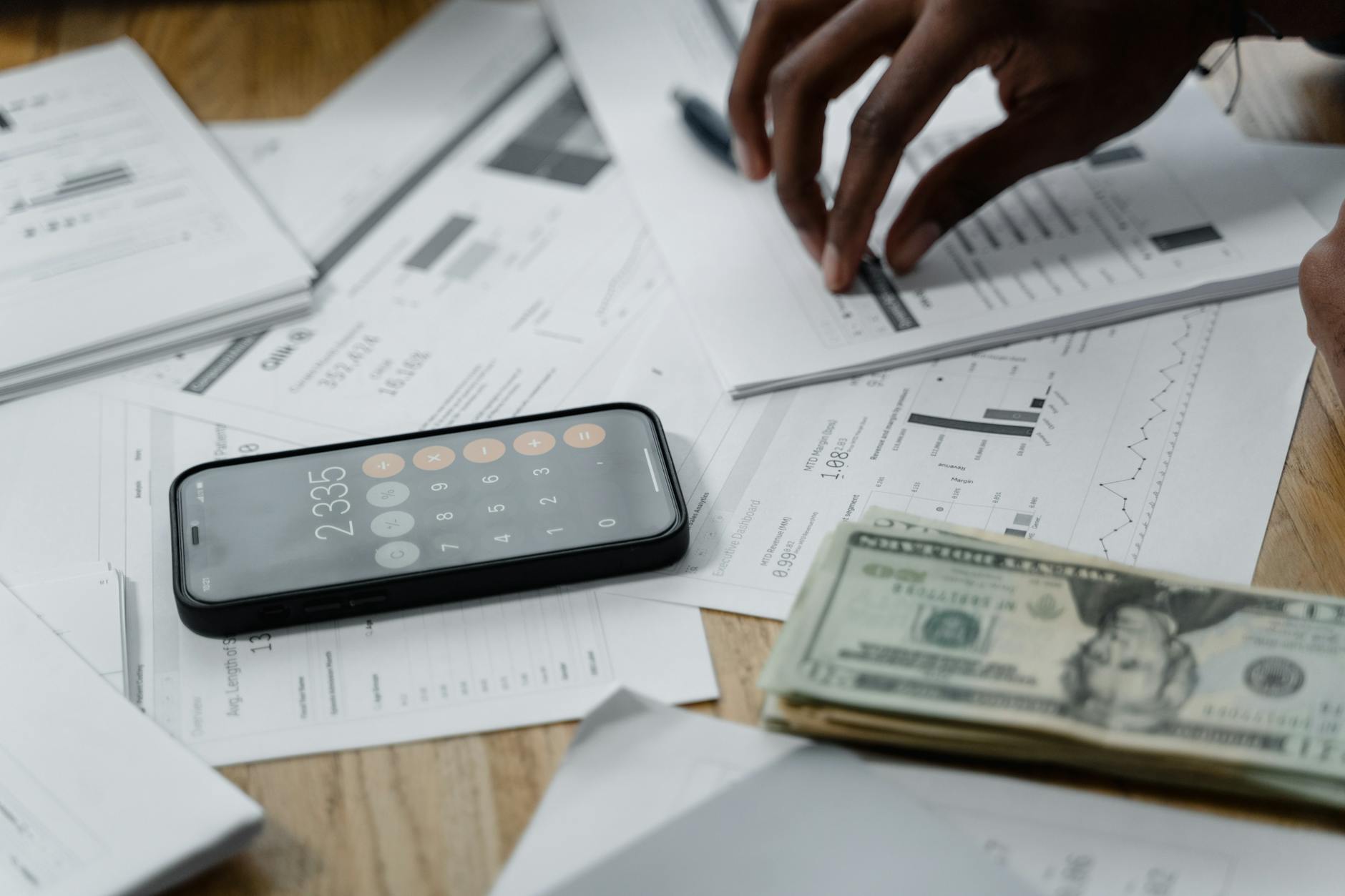
The Scale of Government Billing and Payment Errors
Government agencies are among the largest sources of billing reconciliation errors and unclaimed funds, with particularly significant problems in tax refunds and benefits payments. The IRS specifically identified $1.2 billion in unclaimed refunds for taxpayers who failed to file Form 1040 for the 2022 tax year alone, with the median refund amount standing at $686. These refunds represent pure government payment errors—money the taxpayer was owed but never received because they didn’t file or didn’t follow up on missing payments. The broader improper payment problem extends far beyond the IRS.
Social Security, Medicare, unemployment insurance, and other federal programs all generate substantial error rates. One critical limitation: most federal refunds have a three-year statute of limitations, meaning if you don’t claim a tax refund within three years of the filing deadline, the money becomes property of the U.S. Treasury and is essentially lost to the claimant. Individual refunds typically average $1,400 to $1,500, but many taxpayers remain unaware of unclaimed funds because they never received notification.
Common Billing Error Types That Generate Unclaimed Money
The most prevalent billing reconciliation errors fall into distinct categories that create unclaimed funds. Data entry errors include transposing account numbers (writing 12345 instead of 12354), omitting zeros from amounts, or duplicating deposits so one payment processes twice. Timing differences occur frequently in corporate-to-corporate transactions where a payment is recorded as sent by the payer but hasn’t yet cleared or been posted by the recipient, causing the accounts to temporarily show conflicting information. When the discrepancy isn’t resolved promptly, the “in transit” funds sometimes get forgotten.
Healthcare billing represents a particularly widespread area of reconciliation errors. Patients and employers frequently overpay insurance premiums or are charged twice for the same service due to billing system failures, yet these overages remain unclaimed because the reconciliation process never correctly matches them back to the original account holder. Modern AI-powered solutions are now being deployed to identify and recover these billing errors, with companies like those winning 2026 Artificial Intelligence Excellence Awards specifically for developing tools to recover overcharge dollars for employers and employees. Without active intervention, a $2,000 healthcare billing error might be written off as loss by the insurance company while the patient never realizes they were entitled to a refund.

How to Search for and Claim Unclaimed Billing Funds
Finding unclaimed money from billing reconciliation errors requires a multi-step approach depending on the type of error. For IRS tax refunds, the first step is filing your back tax return directly with the IRS, even if you’re past the normal filing deadline, because the three-year statute of limitations runs from the tax year’s April 15 filing deadline. You can check if you have unclaimed refunds by contacting the IRS directly or using their online tools, and many free tax preparation services now help locate unclaimed refunds as a standard part of their process. For property-related surplus funds from foreclosures or tax sales, the search process varies by county.
Most counties maintain unclaimed surplus funds registries or lists, though the organization and accessibility of these databases differ significantly from state to state. A practical comparison: some states like California have consolidated online searchable databases, while others require physical visits to county treasurer offices or written requests for information. For overpaid utility bills, insurance premiums, or other corporate billing errors, contact the company’s accounting or customer service department directly and request a reconciliation of your account. Document all previous payments and request a written explanation if discrepancies exist.
Limitations and Warnings When Pursuing Billing Error Claims
Not all unclaimed money is easily recoverable, and several significant limitations apply. Many billing reconciliation errors become statute-barred after a certain number of years, meaning the right to claim them expires legally. Corporations often have different statutory periods for different types of claims—some as short as one year from discovery—so timing matters critically. A major warning: if you’re aware of an unclaimed fund and wait too long, you may lose the legal right to claim it entirely, and the statute of limitations can’t be extended just because you were unaware of the error.
Another limitation involves proving ownership and connection to the unclaimed funds. If you no longer have account statements from years past, proving you made a payment or were owed a credit becomes significantly harder. Government agencies and financial institutions typically require documentation like bank statements, receipts, correspondence, or account history—and if you’ve lost these records, your claim becomes much more difficult to substantiate. Additionally, many companies and agencies have specific claim procedures and deadlines for submitting requests, and missing these deadlines can result in automatic denial even if your claim is legitimate.

Business Efforts to Recover and Prevent Billing Errors
Progressive companies are increasingly deploying automated reconciliation systems and AI-powered auditing tools to catch billing errors before they become unclaimed funds. These systems scan transaction data, identify discrepancies, and flag accounts requiring manual review. Healthcare organizations, insurance companies, and utility providers have discovered that investing in these tools generates substantial financial recovery—funds that were previously written off as losses are now being correctly applied to customer accounts.
However, even with advanced systems in place, companies vary widely in their willingness to actively pursue recovery of funds owed to customers. Some view unclaimed overpayment balances as retained income, while more progressive businesses establish formal unclaimed funds departments that proactively contact customers about credits on their accounts. A practical example: when a utility company implements a new billing system and discovers thousands of dollars in historical overpayments through reconciliation, the company can either mail checks to affected customers or quietly keep the balances. Regulatory requirements vary by state and industry, so customer protections depend partly on where you live and what type of service you received.
Future Trends in Billing Reconciliation and Unclaimed Fund Recovery
The unclaimed funds landscape is shifting toward increased automation and transparency. More states are implementing centralized unclaimed property databases and modernizing their websites to make searching for abandoned assets simpler and more accessible. The National Association of State Treasurers continues pushing for standardized reporting and better coordination between states, recognizing that billions in unclaimed property sit in the wrong state treasury while rightful owners search fruitlessly. Federal legislation has also moved toward requiring stronger efforts to locate and return unclaimed funds, with some provisions increasing notification requirements when companies discover billing discrepancies.
Technology is accelerating the resolution of these errors in ways previously impossible. Blockchain-based systems are being piloted to create permanent, transparent records of transactions and their outcomes. Artificial intelligence continues improving at identifying billing anomalies that human auditors might miss, and cloud-based record management means companies can more easily access historical transaction data to resolve decades-old discrepancies. Looking ahead, the combination of regulatory pressure and technological capability suggests that unclaimed funds from billing reconciliation errors will become increasingly difficult for companies and agencies to ignore, ultimately shifting more money back to legitimate owners.
Conclusion
Unclaimed money from billing reconciliation errors remains one of the largest sources of lost funds in America, with billions sitting in government accounts and corporate suspense accounts awaiting claimants who either don’t know the money exists or don’t understand how to recover it. The problem spans from simple data entry mistakes that create year-long delays to complex timing discrepancies between payment systems, and the consequences are substantial—$1.2 billion in unclaimed tax refunds alone, $2.1 billion in property surplus funds, and $162 billion in government payment errors annually. Your path forward requires taking action rather than hoping circumstances resolve themselves.
If you believe you’re owed money from a billing error, start by identifying the type of error and the responsible party, then systematically document your claim with whatever records you still possess. Check for unclaimed refunds with the IRS, search your county’s surplus funds database, and contact companies directly about account reconciliation. The longer you wait, the more likely the claim will become statute-barred or the money will be transferred to state treasuries as unclaimed property. Taking steps to locate and claim these funds is worth the effort—the money is yours, and recovering it is entirely possible with persistence and the right approach.