
Unclaimed money from billing adjustment discrepancies occurs when healthcare providers, utilities, insurance companies, or financial institutions create adjustments to your account—either crediting you or adjusting charges—but fail to process those credits properly. These adjustments often disappear into accounting systems as contractual write-offs or administrative corrections, leaving you without the funds you’re owed. If you’ve received a billing adjustment on a medical bill, utility statement, or insurance policy, that money doesn’t vanish—it gets absorbed by the company’s accounting records, sometimes for years, until the obligation to hold it transfers to the state.
A typical example: A patient receives a medical bill for $2,500, but their insurance company has negotiated a contractual adjustment that reduces the allowed amount to $1,200. The provider writes off the remaining $1,300 as a contractual adjustment. However, in some cases, the patient’s insurance company credits them back due to an administrative error, creating a duplicate payment situation. The $1,300 adjustment credit sometimes languishes in suspense accounts and eventually gets reported as unclaimed property to state treasuries.
Table of Contents
- How Do Billing Adjustments Create Unclaimed Funds?
- Understanding Write-Offs and Contractual Adjustments in Medical and Commercial Billing
- Real-World Examples of Billing Adjustment Funds Becoming Unclaimed Property
- How to Identify and Claim Your Billing Adjustment Funds
- Common Pitfalls and Warnings About Billing Adjustment Claims
- Current Active Settlements and Deadlines You Should Know About
- What’s Ahead for Unclaimed Billing Funds and Your Rights
- Conclusion
How Do Billing Adjustments Create Unclaimed Funds?
Billing adjustments happen constantly in healthcare, telecom, and financial services. Contractual adjustments are required write-offs set by payor agreements, representing the difference between provider charges and the payor’s allowed amount under negotiated fee schedules. When these adjustments occur, the company records them as a reduction in receivables—but not always as a reduction in what they owe you. If the adjustment was meant to credit your account and the company fails to process it, or if accounting systems don’t communicate properly, the money sits dormant.
Federal regulations require agencies and businesses to maintain subsidiary ledgers and supporting documentation for accurate balance verification. The Treasury Financial Experience (TFX) mandate requires agencies to report discrepancies between subsidiary ledgers and recorded balances to Fiscal Service when unclaimed moneys are involved. For private companies, most states have unclaimed property laws requiring businesses to turn over dormant funds after 3-5 years of inactivity. A billing adjustment that was supposed to reduce your future payments but was never applied to your account is exactly the kind of dormant credit that gets reported to state treasuries.
Understanding Write-Offs and Contractual Adjustments in Medical and Commercial Billing
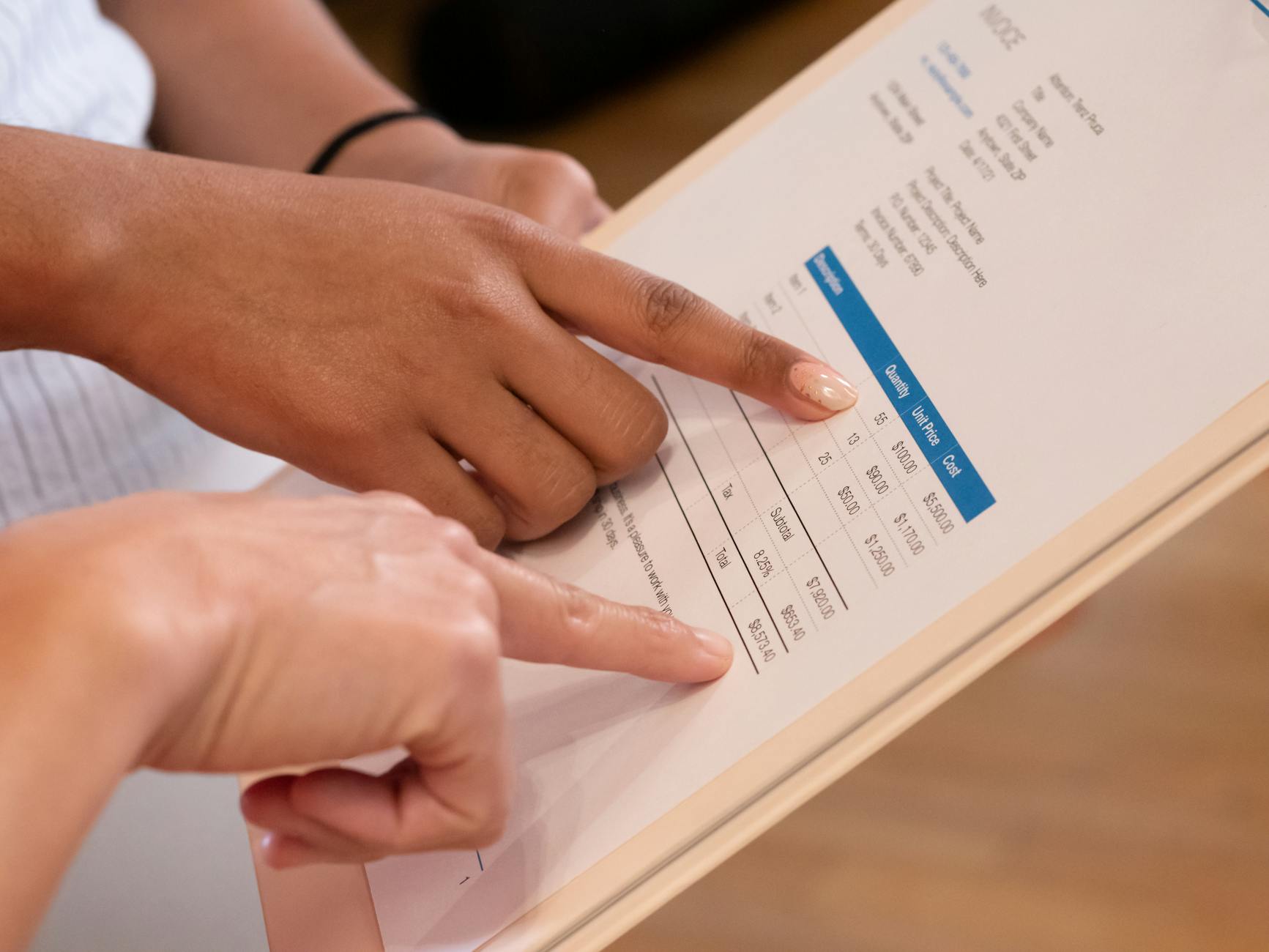
The distinction between a write-off and a credit is crucial. A contractual adjustment is a write-off—the company accepts it as a loss based on its agreement with an insurance company or payment processor. These don’t belong to you; they’re legitimate business deductions. However, when a contractual adjustment is *reversed* due to a disputed claim, overpayment, or administrative correction, the reversal amount becomes your property. The company must either credit your account immediately or report it as unclaimed property if left unresolved.
A critical limitation to understand: not all billing adjustments become unclaimed money. Only credits and overpayments that were meant to benefit you—and weren’t processed—qualify. If a company adjusts a charge downward and simply passes that savings on to you through lower future bills, there’s no unclaimed money involved. The problem arises when adjustment credits get stuck in suspense accounts, are credited to the wrong account, or are recorded in a way that your account never actually receives the benefit. Companies sometimes flag these as “aged adjustments” in their systems and eventually report them to state treasuries under unclaimed property laws.
Real-World Examples of Billing Adjustment Funds Becoming Unclaimed Property
Consider a utility customer who was overcharged for three months due to a billing system error. The utility company discovered the error, calculated a $340 credit adjustment, and recorded it in their general ledger. However, the credit was never applied to the customer’s account—it sat in a suspense account for four years. When the customer eventually called to dispute their bill, the adjustment was finally discovered, but because it had been dormant for years, the utility was required by state law to report it to the unclaimed property program. The customer found this credit through their state treasurer’s unclaimed property search.
Another example comes from healthcare: A patient had a surgical procedure that resulted in a disputed claim. Insurance initially denied it, then later approved it and issued a contractual adjustment of $2,150 (the portion they wouldn’t pay). The provider recorded this adjustment but created a credit balance on the patient’s account by mistake. The patient was owed $2,150, but the credit got lost when the billing department shut down an old system and never migrated the data. Three years later, the hospital discovered the orphaned credit during an audit and reported it to the state.
How to Identify and Claim Your Billing Adjustment Funds
The first step is to search official unclaimed property databases. USA.gov maintains a comprehensive resource for locating unclaimed government funds, and individual state treasurer websites maintain searchable databases of unclaimed property reported by businesses. Start with your state’s treasurer or unclaimed property office website—most allow you to search by name and sometimes by social security number. TreasuryDirect also provides help center resources for unclaimed money and assets FAQs. If you receive a bill, statement, or notice mentioning an “adjustment,” “credit balance,” or “overpayment,” write down the company name, the amount, and the date so you can search for it.
The process differs from claiming a class action settlement, which requires proof of purchase or participation in the affected class. Unclaimed property claims are simpler: you typically need to provide your name, address, the company’s name, and the approximate amount or date range. Many states now offer online claim forms that take 10-15 minutes to complete. However, there’s a tradeoff: while the process is easier than litigation, it can take several months for the state to process your claim and release the funds. If you find a significant unclaimed balance, consider contacting the company directly first—many will process a legitimate claim faster than the state system.
Common Pitfalls and Warnings About Billing Adjustment Claims
One major warning: scammers operate in the unclaimed property space. Never pay a third-party “locator service” or “claim processor” a percentage of your unclaimed funds. State treasuries will never ask you to pay upfront to claim your own money, and legitimate searches on USA.gov and state websites are completely free. Legitimate claims filed directly with the state treasurer cost nothing, though some private services may charge 10-40% of the recovered amount for convenience—a tradeoff many people avoid by doing the work themselves. Another pitfall involves statute of limitations and abandoned property laws.
Different states have different holding periods. If a company owes you a billing adjustment credit for over three years and you haven’t claimed it, the statute of limitations for demanding it from the company directly may have passed. However, you still have rights through unclaimed property laws, which can extend much longer. The key limitation is that companies are only required to report unclaimed property; they’re not required to actively pursue you to claim it. If you don’t search for your own funds, they may sit unclaimed indefinitely.

Current Active Settlements and Deadlines You Should Know About
Beyond individual billing adjustments, significant class action settlements involving refunds and adjustments are active right now. The Comcast Xfinity settlement—worth $117.5M—covers billing overcharges and is accepting claims through August 2026. The Tinder settlement for $60.5M addresses age-based pricing discrimination claims and involves potential refunds to affected users. These settlements operate differently from individual unclaimed property claims, but they represent the same fundamental issue: companies owing money to consumers for billing errors or unfair practices.
A critical deadline is looming for California residents: the California Inflation Relief Funds, administered through MCTR (Middle Class Tax Refund) debit cards, expire on April 30, 2026. Approximately $400 million in unclaimed funds will be returned to California’s general fund after this date if not claimed. These aren’t billing adjustments per se, but they’re an example of how quickly time-sensitive money can vanish if you don’t act. If you received an MCTR debit card in 2023-2024 and haven’t used it, you have days to claim those funds.
What’s Ahead for Unclaimed Billing Funds and Your Rights
As billing systems become more automated, the potential for adjustment discrepancies actually increases. Healthcare providers are shifting to electronic health records and automated claim processing, which creates more opportunities for credits to get lost in system migrations or automation failures. However, companies are also implementing better unclaimed property compliance procedures, meaning more billing adjustments are being discovered and reported to state treasuries before they’re completely forgotten. The federal framework continues to strengthen.
Agencies must maintain subsidiary ledgers and supporting documentation for accurate balance verification, and this discipline is increasingly trickling down to private companies. If you’ve had accounts with major companies, your odds of finding unclaimed adjustment credits have likely improved as compliance improves. The shift means more funds are being discovered, but it also means more competition for your attention—scammers are aware of this wave of unclaimed property activity and are increasing their targeting. Your advantage is knowing where the real money is: official state treasurer databases, USA.gov, and authenticated company sources.
Conclusion
Unclaimed money from billing adjustment discrepancies is real, common, and often overlooked. These credits arise when companies fail to properly apply adjustments to your account, leaving funds dormant until state unclaimed property laws force reporting. The money doesn’t disappear—it gets transferred to state treasuries where it remains yours to claim, but only if you search for it. The process is straightforward: search USA.gov or your state treasurer’s unclaimed property database for free, file a claim with documentation if needed, and wait for processing.
Take action now, especially if you’ve had accounts with healthcare providers, utilities, or financial institutions over the past five years. Set a reminder to search for your own name, and if you spot unclaimed funds, file your claim directly with your state—never through a third-party service charging a percentage. Remember the April 30, 2026 California Inflation Relief deadline if you’re affected, and monitor for upcoming settlement deadlines like the Comcast and Tinder cases. Your unclaimed billing adjustments are waiting in state databases; the only step left is to claim them.