
Yes, people are actively recovering funds from old billing records, and the amounts can be surprisingly substantial. These recoveries typically include forgotten security deposits from utilities, overpaid subscription balances, unused gift cards and store credits, insurance policy refunds, medical account overages, and duplicate charges that went unnoticed for years. If you’ve moved homes, switched providers, or simply lost track of accounts opened a decade ago, there’s a reasonable chance money is sitting in some company’s system with your name on it. The process of recovering these funds has become increasingly accessible thanks to state unclaimed property laws, which require companies to surrender abandoned funds to state treasuries. Since 2020, individuals have recovered over $3 billion in unclaimed funds annually, a significant portion of which traces back to forgotten billing records.
One common example is a utility company customer who paid a deposit when opening an account thirty years ago, moved away without requesting a refund, and never heard from the company again—only to discover the company had been holding that deposit, plus accumulated interest, the entire time. The challenge isn’t that the money doesn’t exist. The challenge is that most people don’t know where to look or don’t realize the money is still legally theirs. Companies aren’t always diligent about reaching out to account holders, and when they do make contact, letters often go to outdated addresses. This creates a gap between what companies hold and what people claim—a gap that persists for years until someone actively searches for it.
Table of Contents
- What Types of Billing Records Produce the Most Recoverable Funds?
- How Can You Locate Your Forgotten Billing Credits and Track Down Old Accounts?
- Real Examples of Billing Record Recoveries That Happened to Ordinary People
- Steps to Recover Funds From Your Old Billing Records: A Practical Guide
- Common Obstacles When Claiming Billing Refunds and How to Address Them
- Keeping Records Now to Prevent Unclaimed Money Later
- The Future of Billing Transparency and Consumer Rights
- Conclusion
What Types of Billing Records Produce the Most Recoverable Funds?
Several categories of billing records are particularly likely to contain recoverable money. Utility deposits top the list because they’re explicitly designed as temporary financial arrangements. When you open an electricity, gas, or water account, the company collects a security deposit—typically hundreds of dollars—to protect against non-payment. Once you’ve established a good payment history or close the account, you’re entitled to that deposit back. Yet many people move or switch utilities and never follow up on the refund claim, leaving the company holding the money indefinitely. Phone company and internet service provider accounts generate another significant category of recovery opportunities. If you had a contract that included early termination fees, overpaid your final bill, or left a remaining balance on a phone upgrade plan, that balance may still be in the provider’s system.
One person discovered they had a $287 credit with a mobile carrier they’d switched away from in 2015. They’d never bothered to check because they assumed the credit was lost, but calling the company’s billing department revealed the full amount was still available. Insurance companies also maintain accounts with credit balances—perhaps you paid premiums through automatic withdrawals, paid the same amount twice, or had policy cancellation refunds that were never claimed. Medical and dental billing records hide significant recovery potential as well. Healthcare providers often over-bill insurance companies by mistake, which results in the patient overpaying. If you’ve paid your portion of the bill but the provider later discovers they bill the insurance again, your overpayment sits in accounts receivable. Gym memberships and subscription services are notorious for holding unclaimed balances because people forget to cancel and continue to be charged, or they cancel but receive a pro-rated refund they never claimed.

How Can You Locate Your Forgotten Billing Credits and Track Down Old Accounts?
The first step is to check your state’s unclaimed property database. Every state maintains a searchable registry of unclaimed property held by companies in that state. The National Association of Unclaimed Property Administrators (NAUPA) provides links to all state databases on their website, and searching is free. If you’ve lived in multiple states, you’ll need to check each one because a utility company in California will report unclaimed property to California, not wherever you currently live. A limitation of this approach is that not all companies report immediately—there’s often a three to five-year lag between when a company is supposed to report and when the database updates. This means very recent overpayments may not show up yet, and you might need to contact companies directly.
Your own records are the second search tool. Gather old bank statements, credit card statements, and emails going back as far as you have them. Look for recurring charges that have ended or one-time large charges that might represent deposits or overpayments. Contact the company directly by finding their customer service number on old bills or invoices. Be prepared to provide your account number, the date you opened the account, and confirmation of your identity. One significant warning: scammers sometimes pose as unclaimed property finders and demand upfront fees to help you recover funds. State treasuries never charge fees to help you claim your own money, so if someone wants payment first, hang up.
Real Examples of Billing Record Recoveries That Happened to Ordinary People
Consider the case of a woman in Michigan who discovered a $1,240 utility deposit she’d paid in 1994 when opening an electric account in her first apartment. She’d moved to another state in 1996, and the utility company never contacted her about the refund. Three decades later, she found it listed in Michigan’s unclaimed property database along with accrued interest. After filing a claim, she received a check from the state treasurer. The deposit had been sitting in the utility company’s account the entire time, never used, never claimed. Another common scenario involved a man who realized he’d been billed twice for an internet service cancellation. He’d prepaid for a month, then received a cancellation confirmation, but the company charged him again the same day he cancelled. His bank account showed the double charge, but he never followed up because the amounts were small—$79.99 each.
Over a decade later, checking his email records, he realized that company had likely sent him a credit notice that he’d deleted without reading. When he called the internet provider to ask about the old account, they found his credit balance still sitting there. The company issued him a check for $159.98 minus a small administration fee. One more example shows how deposits extend beyond utilities. A woman paid a $600 security deposit when renting a storage unit in 2012. She recovered her items in 2014 but moved and forgot to follow up on the deposit claim with the storage facility. In 2023, eleven years later, she discovered the storage company had reported her unclaimed deposit to the state. The deposit, plus interest, totaled $748 when she filed her claim. The storage company had kept meticulous records, and the state’s unclaimed property program reunited her with the money.
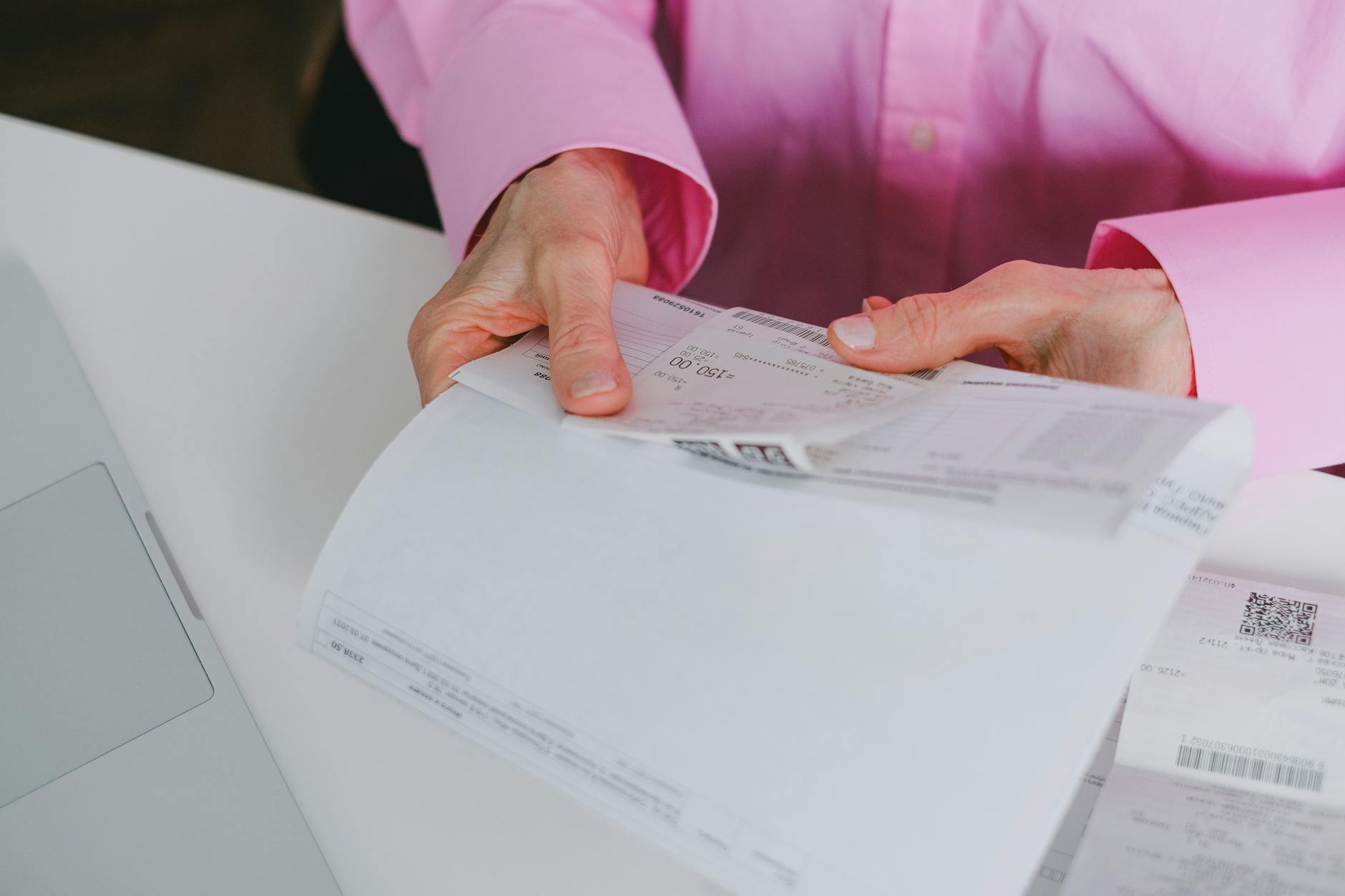
Steps to Recover Funds From Your Old Billing Records: A Practical Guide
Start by making a comprehensive list of every company you’ve done business with in the past twenty years. Include utilities, phone providers, internet service providers, health insurance companies, car insurance providers, gyms, subscription services, storage facilities, and retailers you’ve had credit accounts with. For each company, try to remember the approximate dates you had the account and whether you ever received a refund notification. Check your state’s unclaimed property database by name, and then search again using any alternate names or spellings you might have used—this is important because databases search on exact matches. If you find a claim, follow the state’s procedure for filing, which typically involves submitting documentation proving your identity and your connection to the account. If you don’t find anything in the unclaimed property database, contact the company directly.
Ask specifically whether they have any credit balance, overpayment, or security deposit associated with your account number and name. The tradeoff here is time versus potential recovery—spending fifteen minutes on the phone might yield nothing, or it might uncover $200 or more. For deceased relatives’ accounts, you may need to provide a death certificate and proof of legal authority to claim the funds. Some companies require written requests rather than accepting phone claims, so ask what their specific process is. Document everything in writing: the date you called, the name of the representative, and what they told you. If they say they found money, ask them to mail you a check or offer you options for how you’d like to receive it.
Common Obstacles When Claiming Billing Refunds and How to Address Them
The most frequent obstacle is that the company claims to have no record of your account. This happens particularly with smaller businesses that have changed ownership, merged with larger companies, or gone out of business. If a company has been acquired, try contacting the acquiring company’s customer service and explaining the situation. Some companies have a “historical records” department that can look back further than standard customer service. If the company is defunct, check your state’s unclaimed property database—the company was likely required to report the funds before closing, and the money is now held by the state treasurer. A second major obstacle is identification verification. Companies increasingly require extensive documentation to prevent fraud, particularly for large amounts. They may request your driver’s license, Social Security number, and proof of the account.
This is legitimate security, but it also means accounts with minimal documentation become difficult to claim. If you have old bank statements, credit card statements, or emails confirming the account, these help tremendously. One significant limitation is that if you can’t provide sufficient proof of identity, some companies will deny your claim, and you’ll be forced to pursue it through your state’s unclaimed property office if they’ve already reported the funds. Another common issue is partial information. Maybe you remember you had an account with a company ten years ago but can’t recall your account number or the exact dates. Companies can sometimes search by name and address, but this becomes harder the further back you go or the more you’ve moved. If a company can’t find your account with limited information, ask if you can provide additional documentation like old bills or account statements. Some companies have given up on customers entirely and reported the funds to the state, which means you’d need to file a claim with your state treasurer rather than the company directly.

Keeping Records Now to Prevent Unclaimed Money Later
The simplest way to avoid this situation in the future is to maintain a simple spreadsheet or document listing all your active accounts and their current status. Include utilities, insurance policies, subscription services, and any account with a potential refund or deposit. When you close an account, note the date and any refund amount you received. Keep copies of confirmation emails or receipts showing refunds were processed. This doesn’t need to be complicated—a single Google Sheet with columns for company name, account number, opening date, closing date, and refund status works perfectly.
Most importantly, follow up actively when you close accounts. Don’t assume automatic refunds will arrive; contact the company a week after closing to confirm your refund was processed and ask for a confirmation number. Take a screenshot or photo of confirmation messages. This simple habit catches almost all the problems before they become unclaimed property. If you’re moving, update your address with all your service providers before you close accounts, or provide them with a permanent contact address where refunds should be mailed.
The Future of Billing Transparency and Consumer Rights
As states continue to actively manage unclaimed property programs, more funds are being reunited with rightful owners. Technology is improving this process, with some states developing better search interfaces and companies implementing more sophisticated retention systems. However, the fundamental problem remains: companies have little financial incentive to aggressively chase down the rightful owners of small unclaimed balances, and many people don’t know to search for what they’re owed.
Looking ahead, the trend appears to be toward increased automation and easier claims processes. Some states have begun mailing checks to people identified in unclaimed property databases, rather than waiting for individuals to file claims. Additionally, younger generations, more familiar with digital records and email documentation, may experience fewer unclaimed funds issues simply because they maintain better written proof of their transactions. The opportunity to recover from old billing records will persist because billing systems maintain records for decades, but awareness and proactive searching remain the primary barriers to recovery.
Conclusion
Recovering funds from old billing records is genuinely possible, and the amounts are often substantial enough to justify a careful search. The main categories to investigate are utility deposits, subscription service cancellations, overpaid medical bills, insurance policy refunds, and phone service account credits. Your state’s unclaimed property database is the best starting point, and contacting companies directly fills in gaps the database doesn’t cover.
The key is to take action rather than assume the money is lost. Spend an hour researching companies you’ve done business with, searching your state’s unclaimed property database, and making a few phone calls. The money is legally yours, it exists in company systems, and it’s waiting to be claimed.