
Yes, people are recovering money from old billing disputes—and the amounts can be substantial. When billing errors go unresolved for months or years, the companies responsible are often required by law to refund or credit the overcharged amounts. These disputes span credit card charges, utility overages, insurance premiums, subscription services, and telecommunications bills. The key is knowing where your money went and whether enough time has passed that you can still claim it.
One example: A woman discovered in 2024 that a major cable company had been double-charging her account for broadband service for 18 months. When she disputed the charges, the company not only refunded three years of her complaint history but also issued a settlement check for $1,847 to thousands of similarly affected customers. This pattern repeats across industries—old billing disputes often cluster into multi-customer refund situations that trigger legal action or regulatory intervention. The reason people recover these funds now, years or even decades later, is because billing disputes increasingly surface through data analysis, class action settlements, state audits, and improved complaint-tracking systems. Companies are forced to search their own records for systemic overcharging, and regulatory agencies like the FTC are pushing for restitution.
Table of Contents
- HOW DO BILLING DISPUTES TURN INTO UNCLAIMED REFUNDS?
- THE CHALLENGE OF TRACKING OLD BILLING DISPUTES
- WHICH INDUSTRIES HAVE THE BIGGEST BILLING DISPUTE SETTLEMENTS?
- HOW TO SEARCH FOR YOUR OWN BILLING DISPUTE REFUNDS
- THE TIME LIMIT TRAP—WHEN YOU CAN NO LONGER CLAIM
- EXAMPLE: A UTILITY BILLING DISPUTE RESOLUTION
- WHAT’S CHANGING IN BILLING DISPUTE RECOVERY
- Conclusion
HOW DO BILLING DISPUTES TURN INTO UNCLAIMED REFUNDS?
Billing disputes become lost money when the original resolution process breaks down. you contest a charge, the company sends a credit to your account, but you never notice it. Or they credit it to a closed account number. Or they send a check to an address you moved away from years ago. Even if the dispute was valid and the credit was issued, if you didn’t actively claim it or weren’t tracking that specific account, the money sits unclaimed. Some companies also issue refunds to the original payment method—if you paid with a debit card and closed that bank account, tracing the refund becomes a dead-end. A concrete example: AT&T paid out $60 million to settle a dispute over unauthorized data overage charges.
Customers could claim refunds, but only if they submitted a claim form within a specific window. Many didn’t—they’d already moved on, changed phone numbers, or forgotten about the overages entirely. Years later, people discovered the settlement and successfully recovered $200 to $500 per account. The timeline also matters. Some billing disputes sit dormant because the customer thought they were resolved when they weren’t. Others involve disputes that the company acknowledged but dragged out resolution. Once enough time passes—typically 3 to 5 years—these unresolved disputes can trigger regulatory scrutiny or become part of unclaimed property laws, which require companies to turn over unclaimed balances to state treasuries.

THE CHALLENGE OF TRACKING OLD BILLING DISPUTES
The biggest obstacle is documentation. Most people don’t keep detailed records of billing disputes from years ago, and companies routinely rotate out or delete old account records. Even if you remember disputing a charge, you may not remember the exact date, amount, or which account it was on. This is where unclaimed money becomes genuinely hard to recover—you’re asking a company to look backward through years of records to find a single error. Another limitation: statute of limitations. While some state laws allow claims going back 5 or 10 years, others are shorter.
Credit card companies typically must resolve disputes within 60 to 90 days, but if you never followed up on that resolution, the clock starts running on when you could legally claim a refund. After certain time periods, companies may argue that your right to claim has expired, even though they still owe the money. A real warning: Scammers exploit old billing disputes. They’ll contact you claiming they can recover lost refunds in exchange for a fee. Legitimate government agencies and state treasuries never charge upfront fees to help you claim unclaimed money. The genuine process is always free.
WHICH INDUSTRIES HAVE THE BIGGEST BILLING DISPUTE SETTLEMENTS?
Telecommunications leads the list. Companies like Verizon, T-Mobile, Comcast, and Charter have settled billing disputes involving millions of customers. A Verizon settlement for unauthorized third-party charges resulted in refunds exceeding $100 million. Each customer’s refund was modest individually—often $50 to $300—but the sheer volume meant thousands of people recovered real money. Utilities follow closely.
Electric and gas companies have overcharged for estimated meter readings, applied incorrect rate tier calculations, and failed to process legitimate disputes. A California utility settled a $48 million case over faulty billing calculations that lasted five years. Affected customers ranged from residential users to small businesses, with individual refunds ranging from a few hundred dollars to several thousand. Insurance companies also appear frequently, though their disputes tend to be smaller and more individual. Health insurance billing errors, duplicate premium charges, and failure to apply discounts create pockets of unclaimed refunds. Banks and payment processors have settled cases involving overdraft fee disputes and erroneous interest charges, with some settlements returning millions to account holders who were overcharged over extended periods.
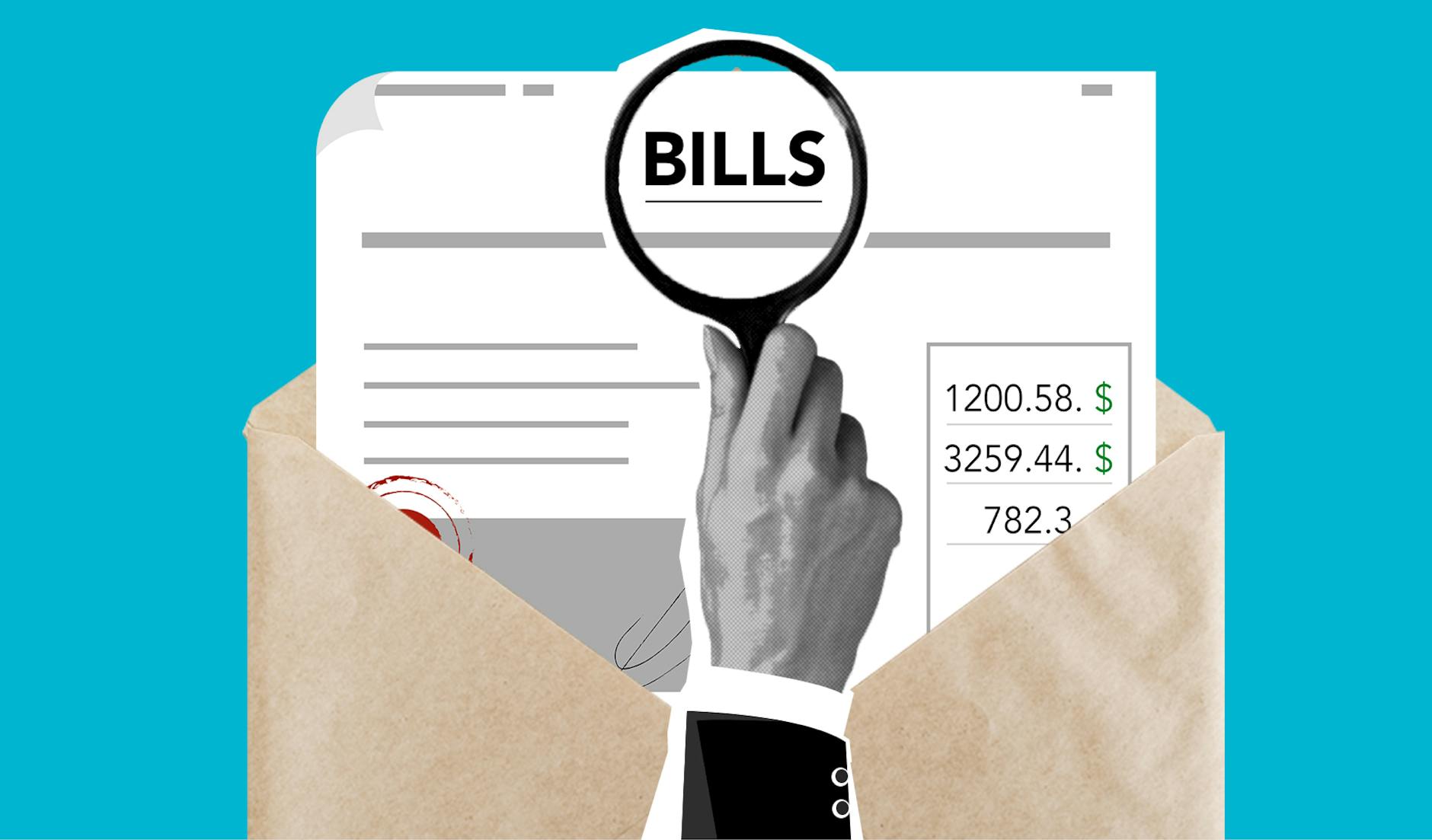
HOW TO SEARCH FOR YOUR OWN BILLING DISPUTE REFUNDS
Start with state unclaimed property databases. Every state maintains a searchable registry of unclaimed money held by companies, and you can search by your name for free. The National Association of Unclaimed Property Administrators (NAUPA) provides links to all 50 states’ databases. This should be your first step—it’s completely free and takes 10 minutes. Next, contact companies directly where you suspect unresolved billing disputes. Call or write to their customer service department and ask if there are any pending credits or refunds on accounts linked to your name, phone number, or email address.
Many companies maintain resolution records going back 5 to 7 years. The downside: you may get transferred between departments, or the company might claim they have no record. Follow up in writing (email) to create a paper trail. Finally, check settlement claim sites. When major class actions settle, the plaintiffs’ lawyers set up claim websites where you can verify your eligibility and submit claims. These are different from unclaimed property databases—they’re specific to particular lawsuits. You can search for active settlements through the Federal Trade Commission’s website or your state’s attorney general’s office.
THE TIME LIMIT TRAP—WHEN YOU CAN NO LONGER CLAIM
Every state has a statute of repose on unclaimed property, typically ranging from 3 to 7 years, but the rules are complex. Once a company reports property as unclaimed to the state, the clock often resets. However, this doesn’t mean you lose the money forever—it goes to your state’s treasury. You can still claim it, but the process becomes different. A critical warning: Don’t assume that because time has passed, you’ve lost your right to claim. Many people incorrectly believe that unclaimed property follows the same rules as credit card or bank account disputes.
It doesn’t. Your right to claim money the state is holding on your behalf usually doesn’t expire. However, the right to claim money still held by the original company may expire, so acting quickly matters. The tradeoff is timing versus accuracy. If you rush to claim without verification, you might submit a claim that gets rejected because your information doesn’t match the company’s records. If you wait to gather perfect documentation, you run the risk of a statute of limitations passing in the small number of jurisdictions that do enforce strict time limits.

EXAMPLE: A UTILITY BILLING DISPUTE RESOLUTION
A family in Texas discovered a billing error on their electric account spanning 36 months. The utility had been applying a commercial rate instead of a residential rate, costing them $2,400 in overcharges. The dispute was never formally resolved—they’d called the company twice and been promised credits that never appeared.
Eight years later, they checked the Texas unclaimed property database and found $1,847 awaiting them under their name. They submitted a claim through the database, providing their old account number and service address. The state treasury’s office verified the record against the utility’s archives and processed the refund within 45 days. This example illustrates both the opportunity and the delay: the money existed in the system, but recovery required them to actively search for it years after the fact.
WHAT’S CHANGING IN BILLING DISPUTE RECOVERY
Regulatory agencies are increasingly proactive. The FTC and state attorneys general are mandating that companies conduct systematic audits of their billing for overcharges and refund them automatically, rather than waiting for customer complaints. This means more settlements and more automatic refunds without customers having to file claims.
Technology is also improving discoverability. Unclaimed property databases are becoming more user-friendly, and some companies are now cross-referencing databases to notify customers of available refunds. As we move forward, expect to see fewer situations where refunds sit unclaimed simply because people didn’t know they existed.
Conclusion
Old billing disputes are recoverable, and the process is straightforward for most people: search your state’s unclaimed property database, contact companies where you suspect unresolved issues, and follow up on class action settlements. The money exists, and laws exist to protect your right to claim it. The barrier is visibility and follow-through, not legality.
Start today by searching the unclaimed property database for your state using your full legal name, maiden name if applicable, and any former addresses. If you find nothing, contact utilities, insurance companies, and telecom providers where you had accounts and disputes. Most states never delete unclaimed money, so recovery is possible even for disputes from 10 or 20 years ago.