
Yes, unclaimed money from refund corrections does still exist in substantial amounts. Right now, more than $1 billion in unclaimed Internal Revenue Service refunds from 2021 alone remains unclaimed, with the median refund amount hovering around $781 per taxpayer. Beyond federal tax refunds, billions more sit unclaimed from class action settlements, many of which involve refunds or credits that consumers never pursued or claimed. These aren’t small amounts locked away in forgotten accounts—they’re real money that belongs to real people, sitting idle in state treasuries and settlement trust accounts.
The problem is that most people either don’t know these refunds exist, don’t realize they’re entitled to them, or simply miss the deadline to claim. When the IRS corrects a tax return through an amended filing, when a corporation is forced to refund customers following a lawsuit, or when a billing error is discovered years later, that money doesn’t disappear. It waits, sometimes indefinitely, for the rightful owner to claim it. The question isn’t whether the money exists—it does. The question is whether you’ll find it before it’s gone.
Table of Contents
- How Do Refund Corrections Turn Into Unclaimed Money?
- The Staggering Number of Dollars Still Waiting
- IRS Refunds vs. Class Action Settlement Refunds
- The Timeline Problem: When Refund Corrections Expire
- Class Action Settlements: Where Billions Go Unclaimed
- How to Find Unclaimed Refund Corrections
- The Future of Unclaimed Refunds: Awareness is Growing
- Conclusion
How Do Refund Corrections Turn Into Unclaimed Money?
Refund corrections happen more often than most people realize. When you file an amended tax return using Form 1040-X, the IRS processes your correction and issues you a refund if you overpaid your taxes. When a class action lawsuit results in a settlement, companies often issue refunds or credits to affected consumers. When a billing error is discovered—an overcharge, a duplicate payment, or a fraud-related loss—companies are sometimes required to send refunds. Yet many of these refunds never reach the people who deserve them.
The reasons vary. Sometimes people miss the notification that a refund is available. Sometimes they file a claim but the check gets lost in the mail or the company can’t locate them because an address changed years earlier. Sometimes the refund process is so convoluted that people give up before completing it. Other times, people simply aren’t aware that a settlement exists or that they qualify for compensation. The result is the same: money sits unclaimed, gathering dust in corporate accounts, government databases, and state treasury systems.
The Staggering Number of Dollars Still Waiting
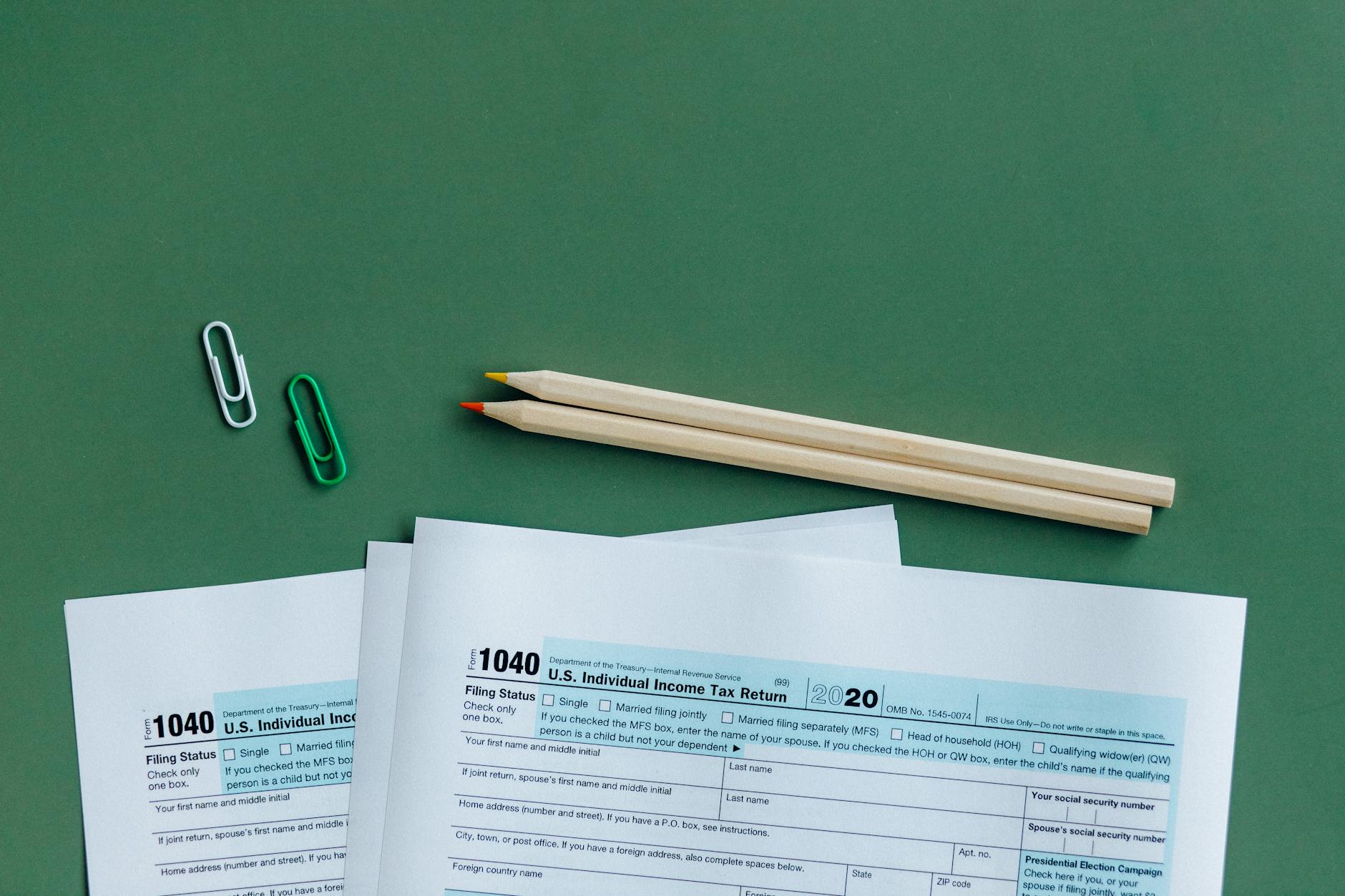
The numbers are eye-opening. The IRS reports over $1 billion in unclaimed refunds from just the 2021 tax year alone. Looking ahead, there’s $1.2 billion in unclaimed refunds for tax year 2022, and the deadline to claim those specific refunds is April 15, 2025—meaning unclaimed money is vanishing as we speak. That’s not theoretical. That’s real money that people are losing, often without knowing it ever existed. Class action settlements paint an even starker picture.
In the first half of 2025 alone, $21.77 billion in settlements were reached. However, the claim rate for most consumer class actions averages just 9% or less. Some settlements are even more dismal. In one Comcast settlement, despite the company’s substantial payout, less than 0.5% of plaintiffs actually received relief. That means if 10 million people were eligible for a settlement, roughly 50,000 of them claimed their money. The other 9.95 million walked away with nothing, sometimes without ever knowing the opportunity existed. Across state unclaimed property programs, during the 2020 fiscal year alone, $2.8 billion was returned to owners—yet that figure likely represents only a fraction of what remains unclaimed nationwide.
IRS Refunds vs. Class Action Settlement Refunds
These two types of unclaimed refunds operate under completely different systems, and the differences matter. IRS refunds come from the federal government when you’ve overpaid your taxes. You claim them by filing an amended return, and the IRS has a legal obligation to process your claim and send you the money—usually within 8 to 12 weeks, though some cases take up to 16 weeks. The process is straightforward, even if it’s not always quick. Class action settlements work differently. When a company settles a lawsuit, a court approves the distribution method.
Sometimes checks are mailed to known addresses. Sometimes claimants must submit a claim form to a settlement administrator. Sometimes refunds are distributed to cy pres recipients—charities approved by the court—if unclaimed. The complexity varies wildly from settlement to settlement. Some settlements achieve claim rates double or more than double those of similar cases simply because they use multiple notices to reach claimants. Others have such poor notification systems that less than 1% of eligible people ever learn about them. The difference between a well-run settlement and a poorly-run one can amount to millions of dollars going unclaimed.

The Timeline Problem: When Refund Corrections Expire
Here’s a fact most people don’t know: refund corrections have hard deadlines. The law is clear. You must file a claim for a refund within three years from the original filing date, or two years from the date tax was paid, whichever is later. After that deadline passes, the money becomes property of the U.S. Treasury, and you lose your right to claim it. This isn’t a suggestion. It’s the law, found in U.S. Code § 6511.
For the 2022 tax year, that deadline was April 15, 2025. That date has either just passed or is approaching, depending on when you read this. For the 2023 tax year, the deadline will be April 15, 2026. These aren’t distant future dates. These are months or weeks away. Every day that passes without you checking whether you have an unclaimed refund is a day closer to losing your right to claim it forever. Class action settlements have varying deadlines—some expire six months after settlement approval, others a year, sometimes longer. The lesson is the same: time moves fast, and the deadline doesn’t wait for you to find out about it.
Class Action Settlements: Where Billions Go Unclaimed
Class action settlements represent some of the largest unclaimed money problems in America. In 2024 alone, the three largest data breach securities settlements recovered $560 million. Yet the vast majority of people eligible for those settlements likely never claimed their share. Why? Because most people never hear about the settlement, or they hear about it too late. The statistics paint a grim picture.
In cases where claimants receive multiple notices—through mail, email, or other channels—claim rates more than double compared to cases with single notices. This suggests that even when companies and courts are trying to notify people, they’re still missing most of the eligible population. Meanwhile, when an unclaimed settlement can’t find its claimants, the money often goes to cy pres recipients—charities chosen by the court. The problem: 57% of examined class action settlements lack public evidence of which charity actually received the money or whether the court even approved it. That means billions of dollars that should go to victims are instead quietly transferred to charitable organizations, with little transparency about which ones or whether the choice actually benefited anyone related to the original harm.

How to Find Unclaimed Refund Corrections
The process varies depending on the type of refund. For IRS refunds, the first step is checking whether you’re actually due money. You can check your federal tax refund status through the IRS website or by calling the IRS directly. If you discover you’re due a refund from a previous year, you’ll need to file Form 1040-X, an amended return, explaining why you’re owed money. Common reasons include overlooked deductions, tax credits you missed, or errors on your original return.
The IRS will then process your claim and issue you a check or direct deposit. For class action settlements, the process is more fragmented because each settlement is handled independently. You might find a settlement through a settlement administrator’s website, through a legal notice that arrives by mail, or through third-party websites that track unclaimed settlements. Some websites aggregate settlement information, allowing you to search by company name or type of lawsuit. Once you locate a settlement you’re eligible for, you’ll follow the claim process specific to that settlement—whether that means mailing in a claim form, filing online, or providing documentation of your purchase or injury.
The Future of Unclaimed Refunds: Awareness is Growing
State unclaimed property programs are becoming more sophisticated. Many states now have searchable online databases where you can look up your name to see if you have any unclaimed property, including refunds. Some states have partnered with MissingMoney.com and similar national registries to make searching easier. The infrastructure for finding unclaimed money is improving, even if awareness among the general public remains low. However, awareness alone won’t solve the problem.
The real barrier is action. Even when people know they’re entitled to a refund, the process often feels complicated, time-consuming, or not worth the effort—especially if the amount seems small. Yet $781 to one person might be the difference between paying a bill and not paying it. To millions of people, it might be significant. The money won’t find you. You have to find it, and you have to do it before the deadline passes.
Conclusion
Unclaimed money from refund corrections absolutely still exists. Billions of dollars sit in federal accounts, state treasuries, and settlement trusts, waiting for someone to claim them. Some of that money is yours, or could be. The challenge isn’t the existence of the money—it’s knowing where to look and acting before time runs out. Whether you’re owed money from an amended tax return, a class action settlement, or a refund correction you never processed, the window to claim it is limited.
The path forward is clear: check for unclaimed refunds now, verify your eligibility for any settlements you find, and file your claim immediately. Don’t wait for the money to find you. Don’t assume you’re not eligible. Don’t put it off until next month. The deadline doesn’t care about your schedule, and once it passes, that money is gone—transferred to state treasuries or charitable accounts, completely beyond your reach.